Roots of Israel in Poland - Zionism, Heroism, the Righteous Among the Nations
From the Polish shtetl to Israel: Bedzin and Zionism, Ben-Gurion's Plonsk, the ghetto uprising, the Righteous. Themed routes for Jewish groups.
In Poland's towns and shtetls, movements, ideas, and acts of heroism arose from which the State of Israel grew - from Zionist youth, through the ghetto uprising, to Poles who saved Jews. Below are four "circles" around Krakow, Lublin, Warsaw, and Lodz: short routes for which SEBIR provides kosher meals and Shabbat - and, for groups traveling with an organizer, transport. Every fact is verified against sources.
Circle around Krakow
Bedzin and Zaglebie, and the resistance in the Krakow ghetto.
Krakow - resistance in the ghetto and the Eagle Pharmacy
In the Krakow ghetto a Jewish fighting organization operated, rooted partly in the Zionist Akiva movement; its members carried out armed actions against the occupier. On Ghetto Heroes Square stood the Eagle Pharmacy (Apteka pod Orlem) of Tadeusz Pankiewicz - the only Pole permitted to remain and work inside the ghetto. He helped Jews in hiding and was recognized as Righteous Among the Nations. The pharmacy is now a museum.
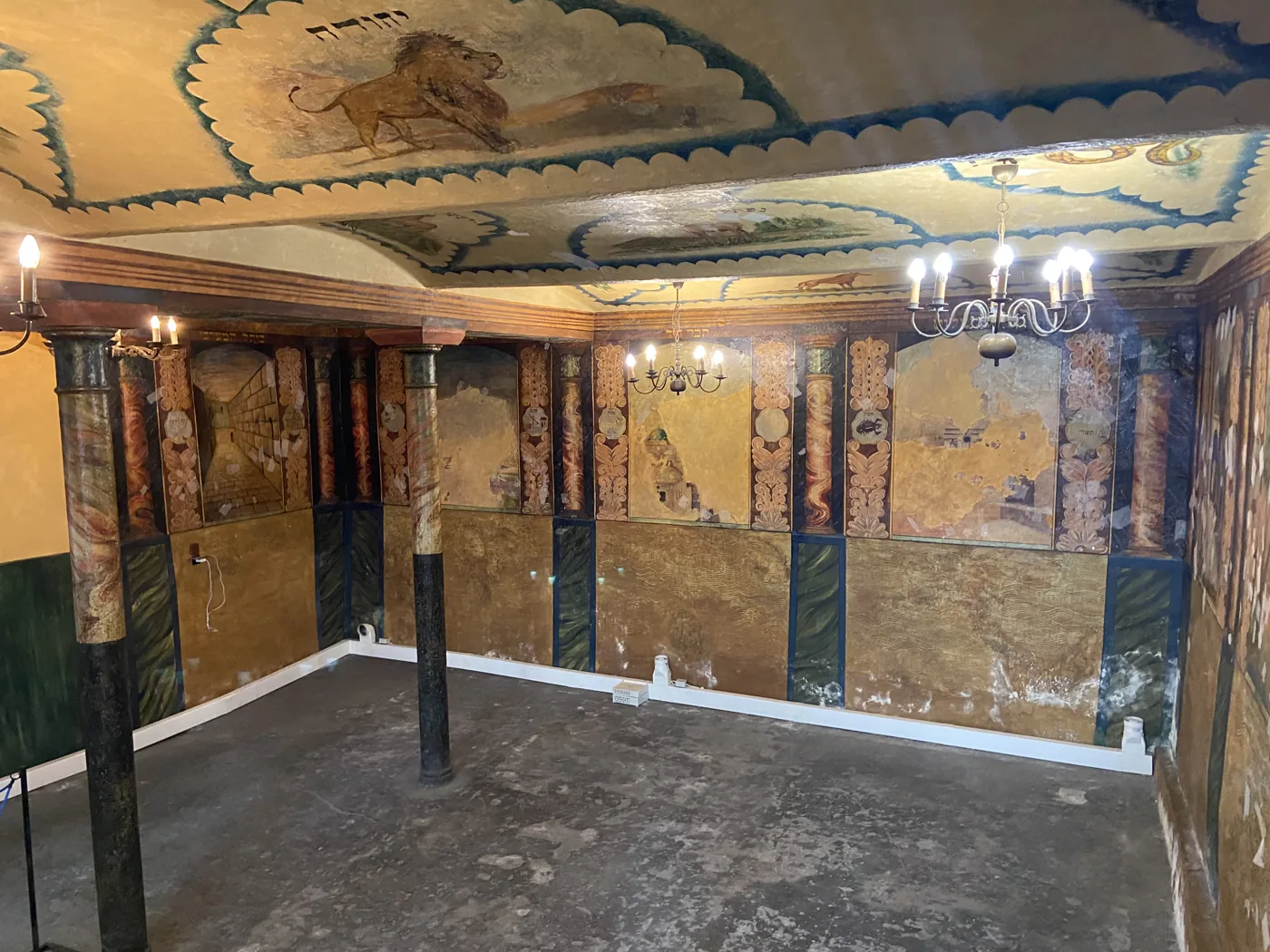
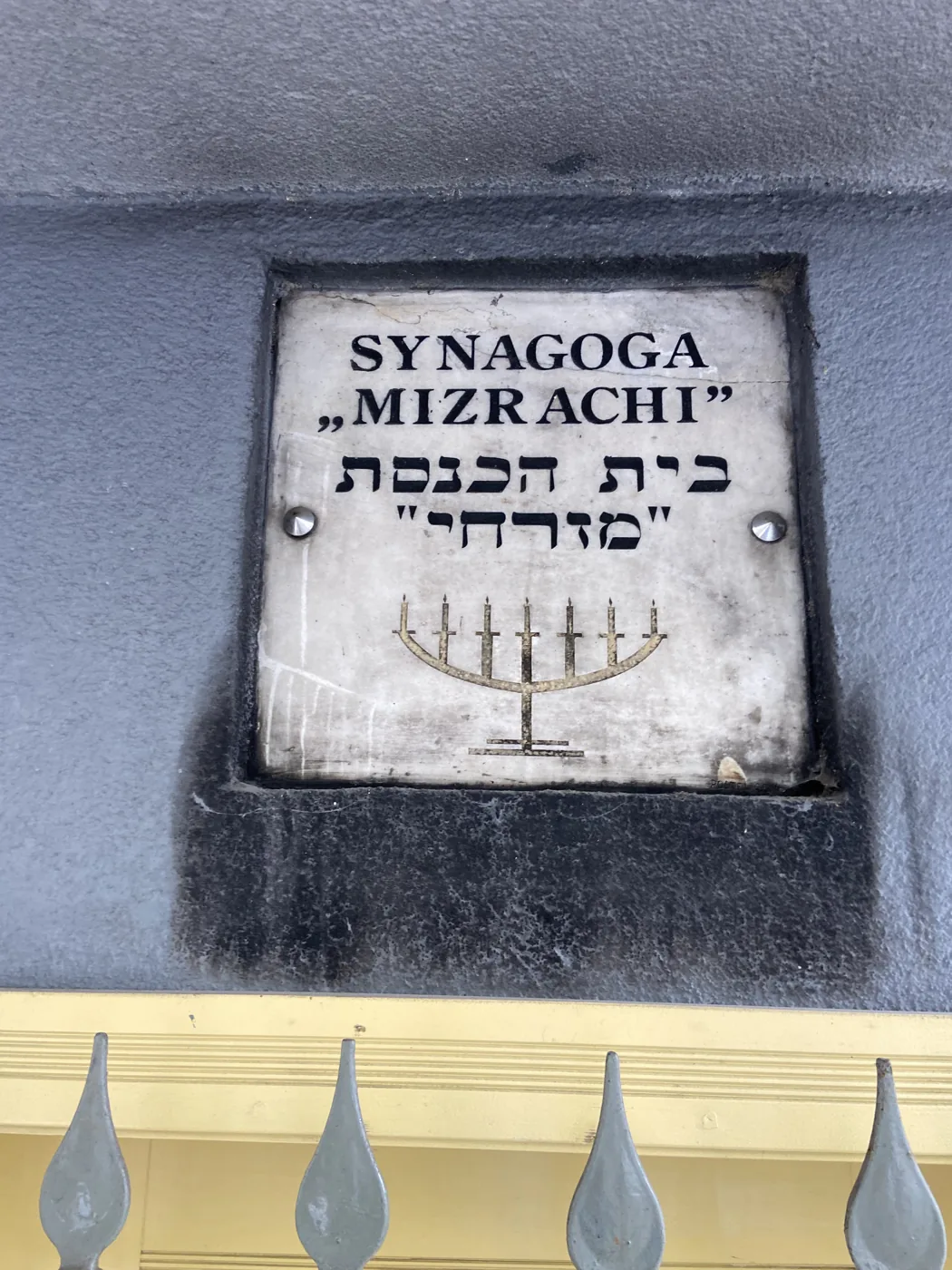
Bedzin was a major center of Zionist youth movements in the Zaglebie region. Its "Mizrachi" Prayer House survives - a former prayer house of the religious-Zionist movement, founded in the late 19th century. On its walls and ceiling, polychromes in the spirit of Zionism have been preserved: Rachel's Tomb, a Jaffa street, Absalom's Tomb, a Star of David, and a nearly complete cycle of zodiac signs (11 of 12) - one of the few such cycles surviving in Poland. Bedzin was home to Frumka Plotnicka, a leader of the resistance, and to Rutka Laskier, the teenage author of a moving diary.
Jozef and Wiktoria Ulma of the village of Markowa hid Jewish families in their home. For this they were murdered by the Germans together with their six children on 24 March 1944. Recognized as Righteous Among the Nations, they were beatified in 2023. Markowa is home to the Ulma-Family Museum of Poles Saving Jews during World War II.
More than 7,200 Poles have been honored as Righteous Among the Nations - the highest number of any nation. Full, alphabetical name lists are maintained by the Yad Vashem Institute and the Polish Righteous portal, created with the POLIN Museum.
Renaissance Zamosc, a UNESCO World Heritage Site, had a rich Jewish community and a Renaissance synagogue. It was the birthplace of Rosa Luxemburg, one of the most important figures of European political thought, and of Isaac Leib Peretz, a classic of Yiddish literature. Zamosc shows how Poland's shtetls produced people who shaped the world and Jewish culture.
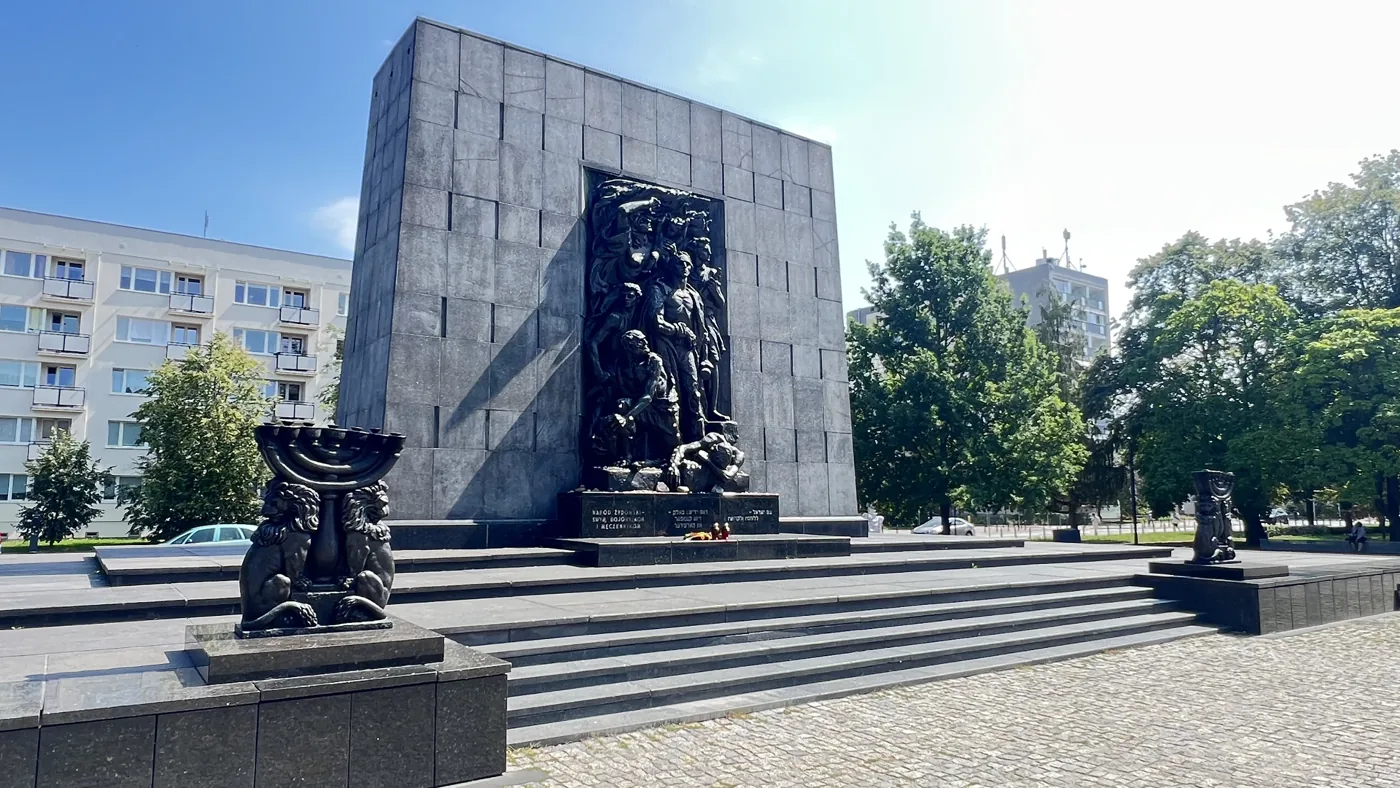
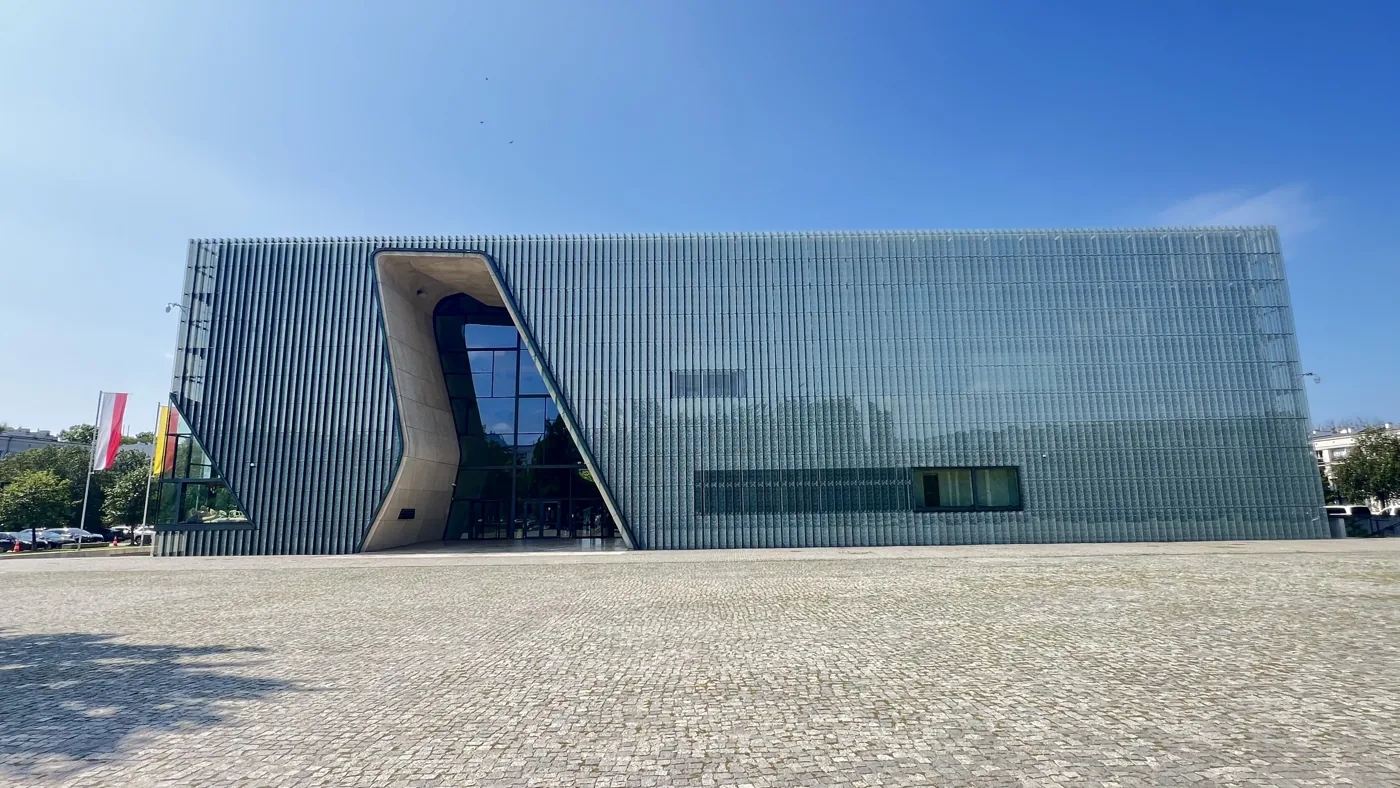
In 1943 the Warsaw Ghetto Uprising broke out - the largest armed Jewish revolt during the Holocaust - led by Mordechai Anielewicz and the Jewish Combat Organization (ZOB). On the grounds of the former ghetto stands the Monument to the Ghetto Heroes (Nathan Rapoport, 1948); here in 1970 Chancellor Willy Brandt knelt. Opposite the monument rises the POLIN Museum, telling a thousand years of Polish-Jewish history. This is where groups pay tribute and sing the anthem.
David Ben-Gurion (David Grün) was born in Plonsk in 1886 - a leader of the Zionist movement, founder and first Prime Minister of Israel, who declared the state's independence on 14 May 1948. Plonsk is the symbolic beginning of the road "from a Polish shtetl to the State of Israel" - a powerful stop for groups seeking the roots of Israeli statehood.
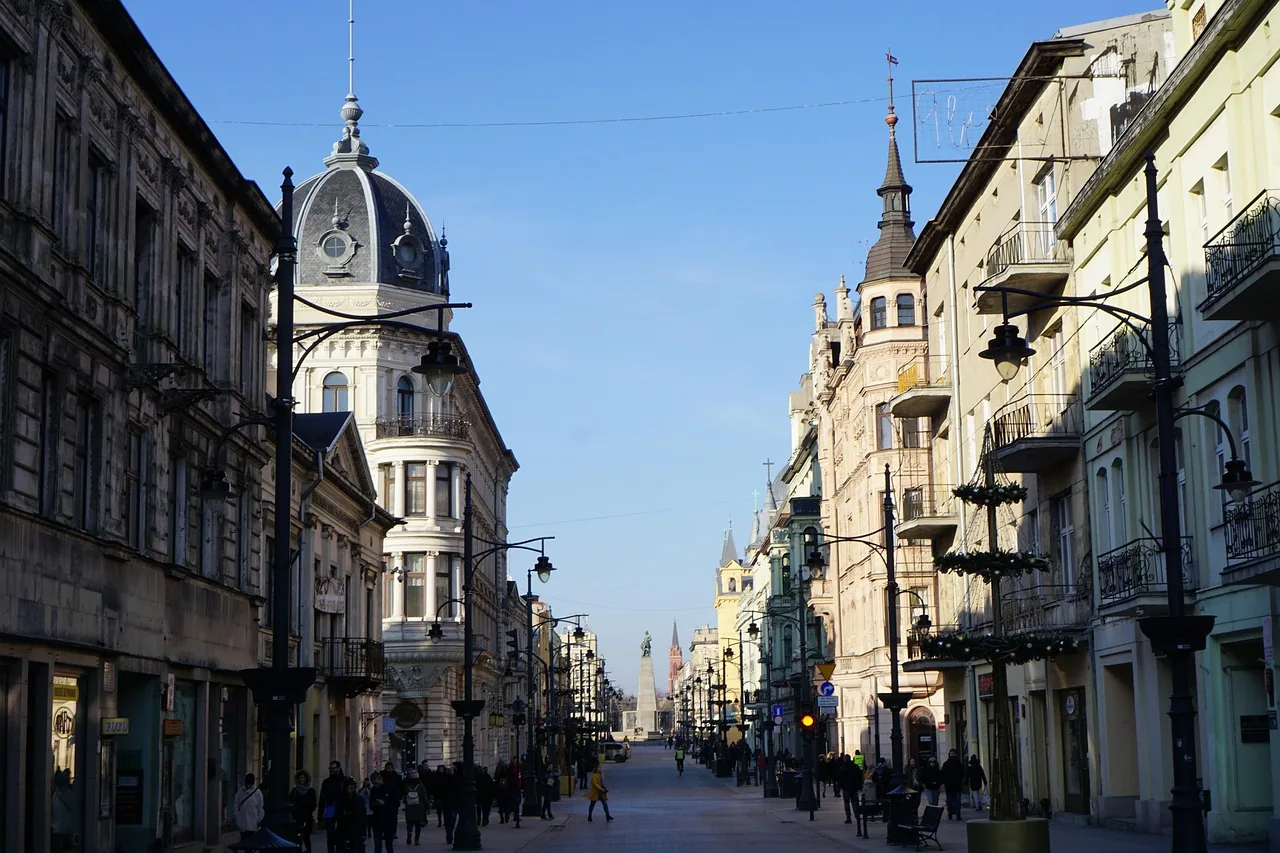
In the 19th and 20th centuries, Lodz was one of the most important centers of Jewish industry and culture. Its power is symbolized by Izrael Poznanski, the "cotton king," whose palace and factory (today's Manufaktura) still impress with their scale. From Jewish Lodz came the poet Julian Tuwim and the world-famous pianist Artur Rubinstein.
The Jewish cemetery in Lodz is one of the largest in Europe. It contains the monumental mausoleum of Izrael Poznanski - considered the largest Jewish tomb in the world. The site conveys the scale and wealth of former Jewish Lodz.
We will add, among others, Rutka Laskier and the burning of Bedzin's Great Synagogue, Nahum Sokolow, the pioneer (hachshara) movements, and Zegota and Irena Sendler - each after fact verification.
Note
We treat this subject with respect and present only facts confirmed against sources. If you notice an inaccuracy, let us know and we will correct it.
We use analytics cookies (Google Analytics, Microsoft Clarity) only with your consent. Privacy policy
Cookie settings
You decide what you agree to. You can change or withdraw your consent at any time - the “Cookie settings” link is in the footer of every page.
EssentialAlways active
Remember your cookie choice and your light or dark theme (in your browser storage; the cookie choice for up to 12 months). They are not used for tracking and are never sent anywhere.
Help us understand how the site is used: number of visits, traffic source, device type, and in Microsoft Clarity also click maps and recordings of visits (without form content). Providers: Google Ireland Ltd. and Microsoft Ireland Operations Ltd. Cookies _ga, _ga_* and _clck (up to 12 months) and _clsk (1 day). Data may be transferred outside the EEA under standard contractual clauses.