
SEBIR / Kosher food
Kosher food for Jewish groups, hotels and events in Poland - at the standard your rabbi sets
We cook on site in a koshered kitchen or bring kosher catering, under the supervision of a mashgiach. The standard is decided by the group's rabbi - we make it happen, anywhere in Poland, and on request elsewhere in Europe.
First reply usually within 24 hours, with a menu proposal when you are ready.
Our practice
How we work with kashrut
In our catering we work to the standard set by the group's rabbi - from the universal to the strictest. We build on OU- and OK-certified products, keep meat and dairy strictly apart using parve products, and for the most demanding guests we provide Glatt meat, Chalav Yisrael dairy and constant supervision by a mashgiach at mehadrin level. Products bearing the Badatz mark are sourced at the group's request.
Kashrut is supervised by rabbis in Poland: for Chabad groups by the Chabad-Lubavitch rabbi of Krakow, for other groups by a mashgiach on behalf of the Chief Rabbi of Poland.

Two models
Two ways to feed a group
Cooking on site
We kasher the venue's kitchen for the time of the stay, bring our own equipment and utensils, and cook fresh meals every day. Best for longer stays and larger groups.
Kosher catering
Meals prepared in a kosher kitchen and delivered to the venue. Best where the kitchen cannot be koshered or for shorter events.
In practice
What mehadrin looks like in our kitchen
- Dairy: Chalav Yisrael only.
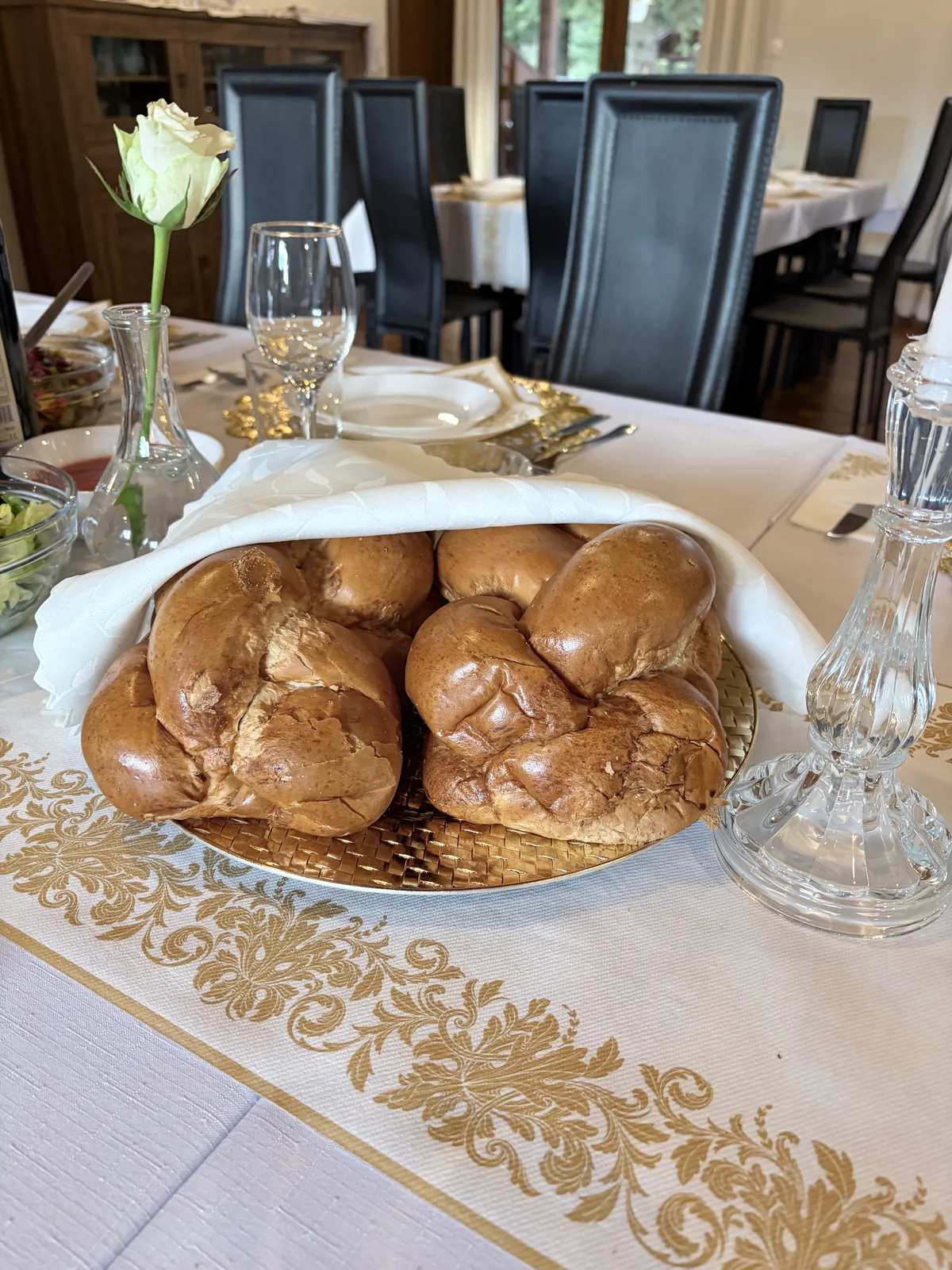
- Bread and challah: from kosher bakeries, at a standard accepted by the group's rabbi. On request we bake challot on site, for example on Thursday together with the participants, and for smaller groups also some of the bread, such as pita and rolls. Bread baked on site with the participation of our mashgiach is Pas Yisrael.
- Meat: Glatt kosher.
- Cooking: Bishul Yisrael - the mashgiach lights the fire and takes part in cooking; ovens and appliances are switched on only by a Jew, and on Shabbat everything is set before it begins.
- Checking: vegetables, herbs and fruit checked for insects; flour, rice and grains sifted through special sieves or checked on a light table; eggs are checked one by one for blood spots.
- Separation: a separate kitchen and utensils, meat and dairy kept strictly apart.
- Supervision: a mashgiach controlling the kitchen and products around the clock.
Menu
How we build a group menu
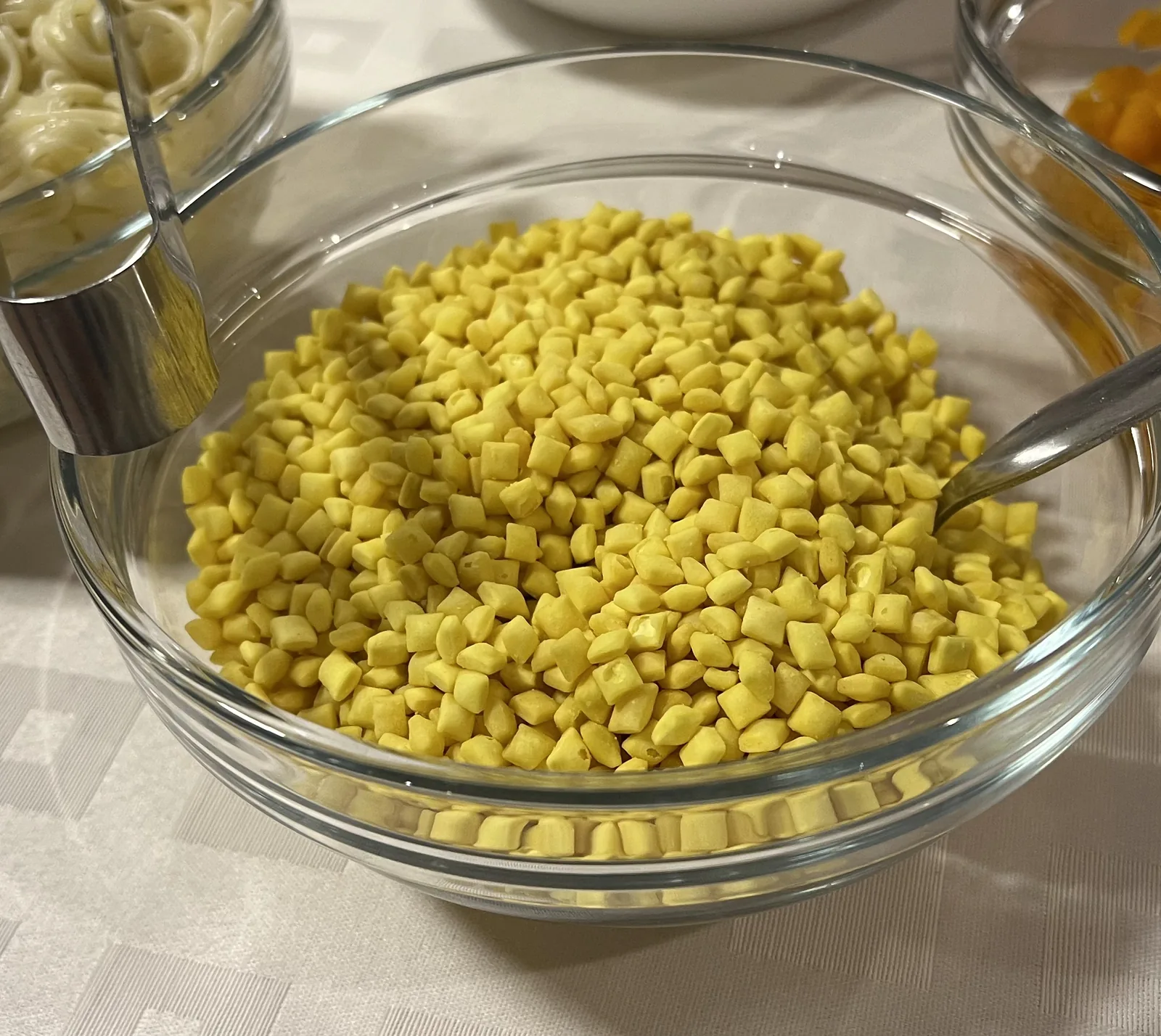
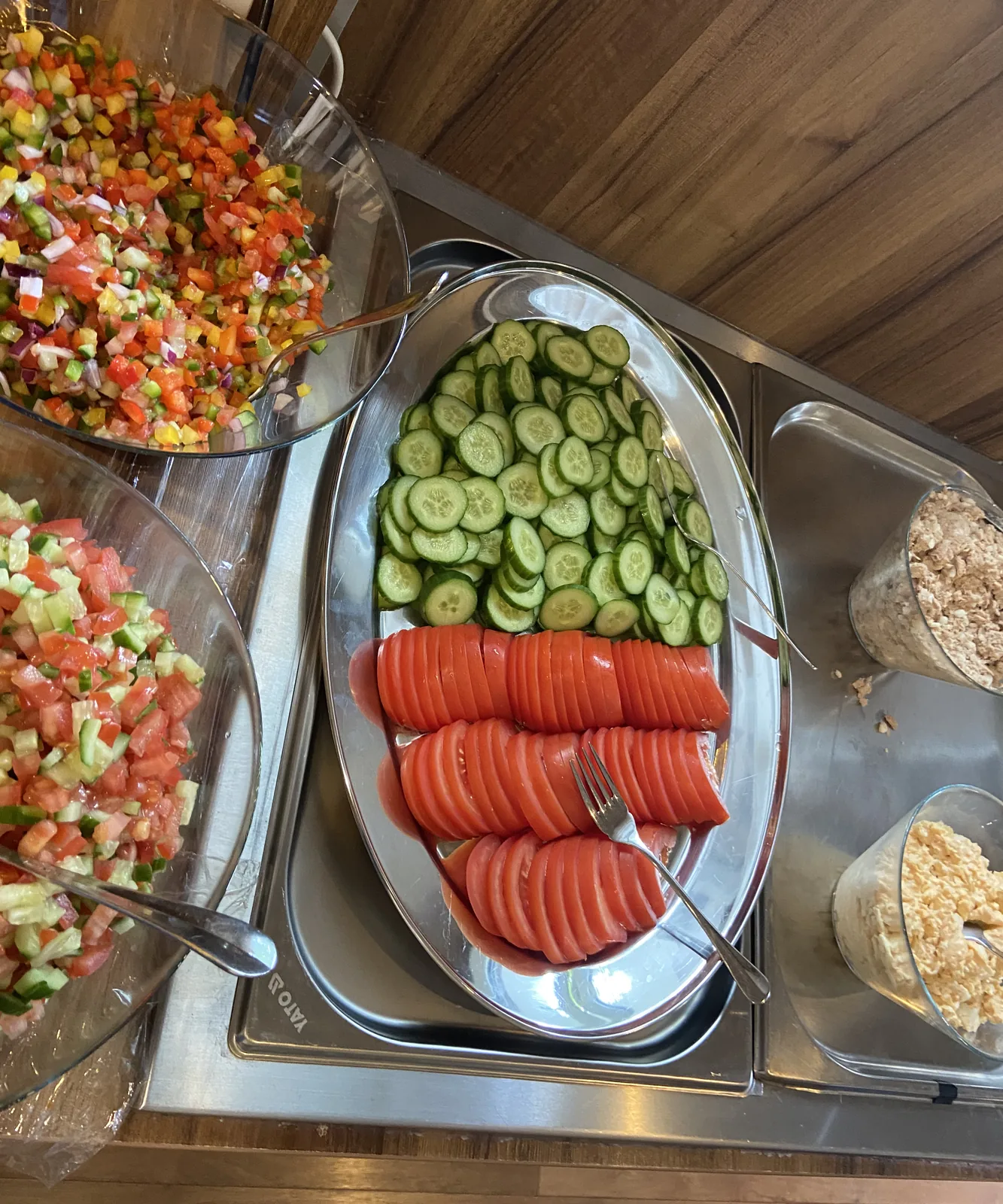
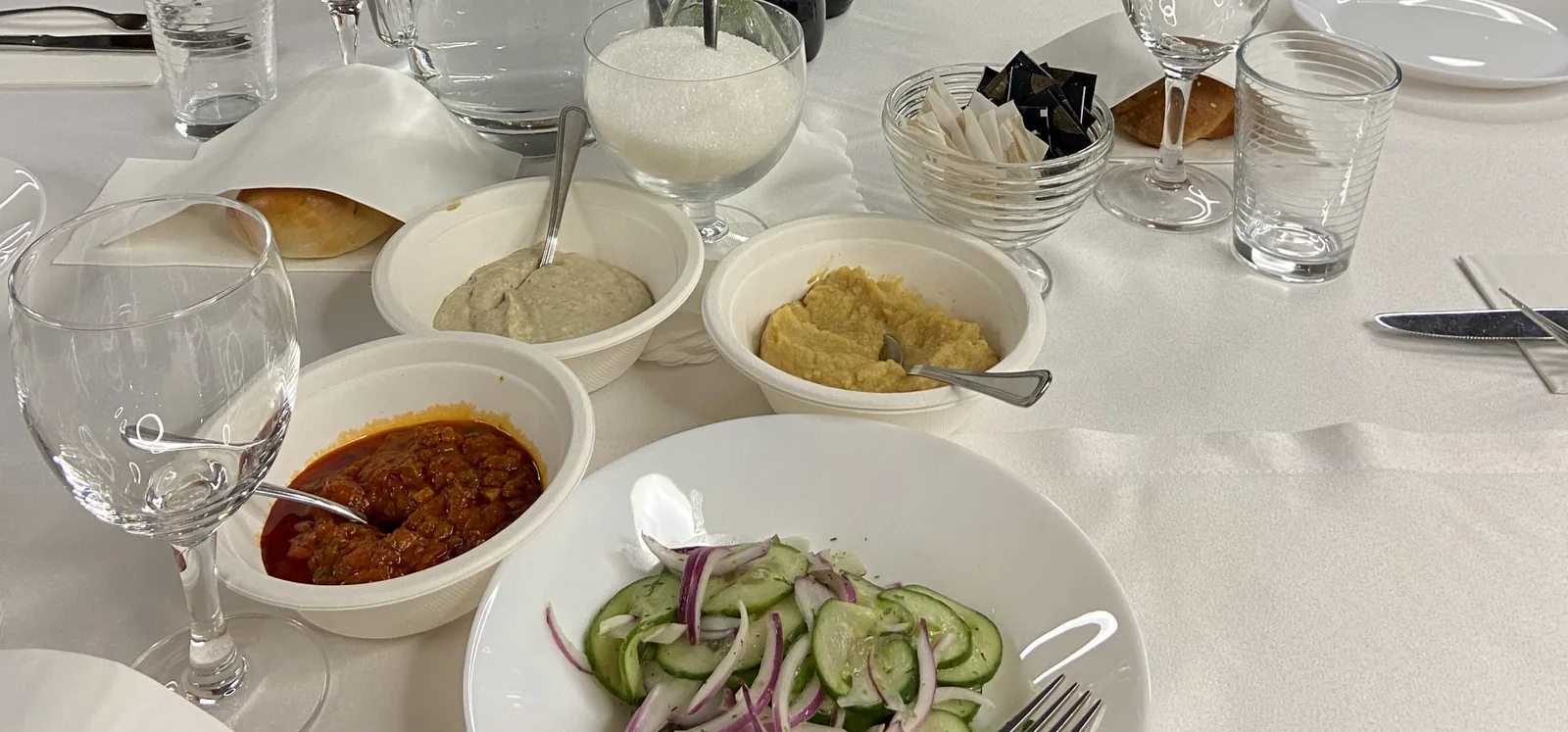
- Every meat dinner has a fixed base: chicken soup with noodles and shkedei marak, salads, dips and bread, plus different mains and sides every day.
- We serve fish separately, on its own plates, before the meat course.
- We never serve meat and dairy at the same meal - breakfast included.
- With coffee after a meat meal we serve plant milk.
- We count quantities per person and per day, with a small reserve. After the stay we check what is left, so the next plan is more precise.

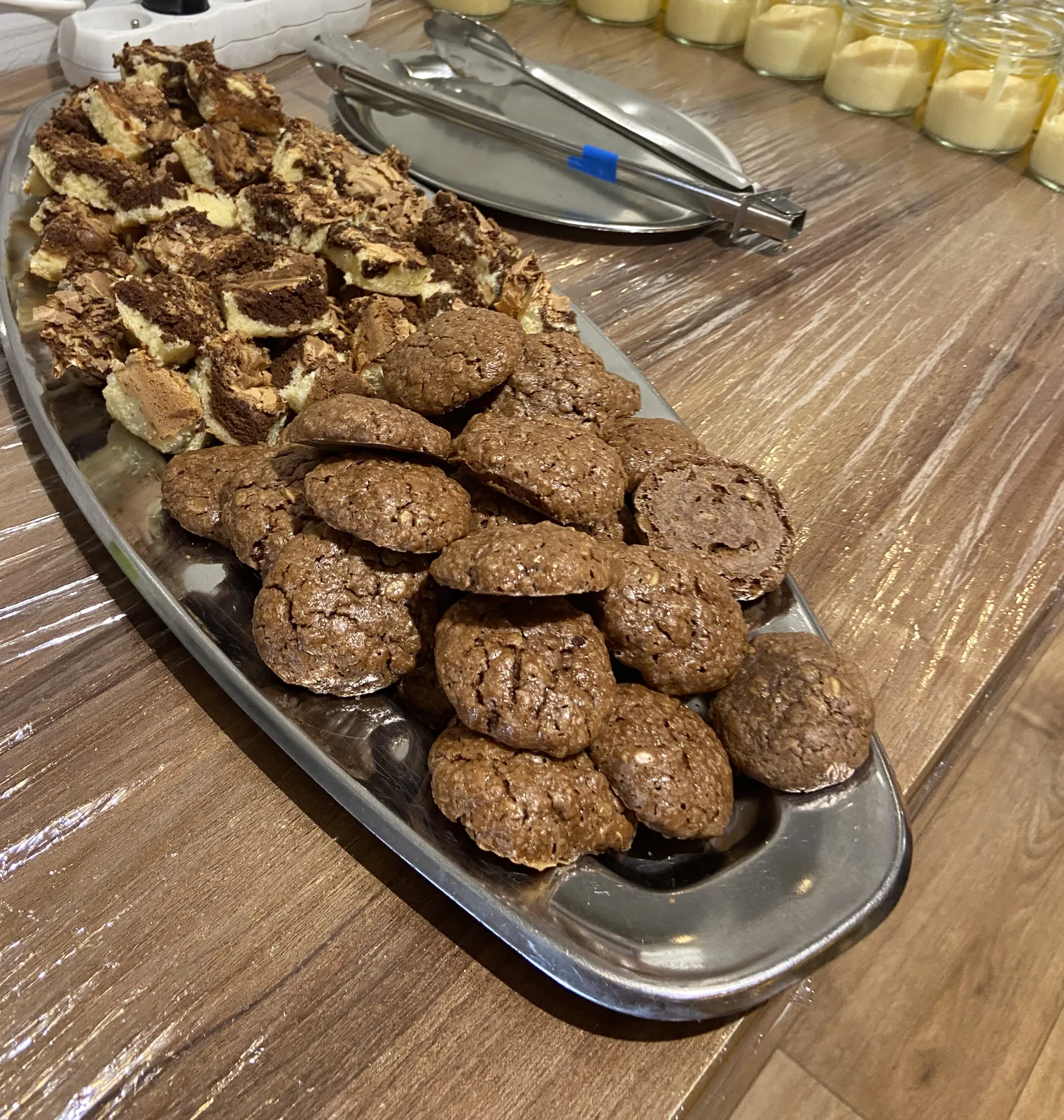
The most attentive judges of our kitchen are the women who have run a Jewish home for years. They know how chicken soup should taste and check at once whether the shkedei marak are on the table. It is all the nicer when they come to thank us after the last dinner. Once they even saw us off with applause.
Kashrut
Kashrut standards we work with
The standard for a group is always set by its rabbi. Tap a term to read it in the glossary.
From our kitchen
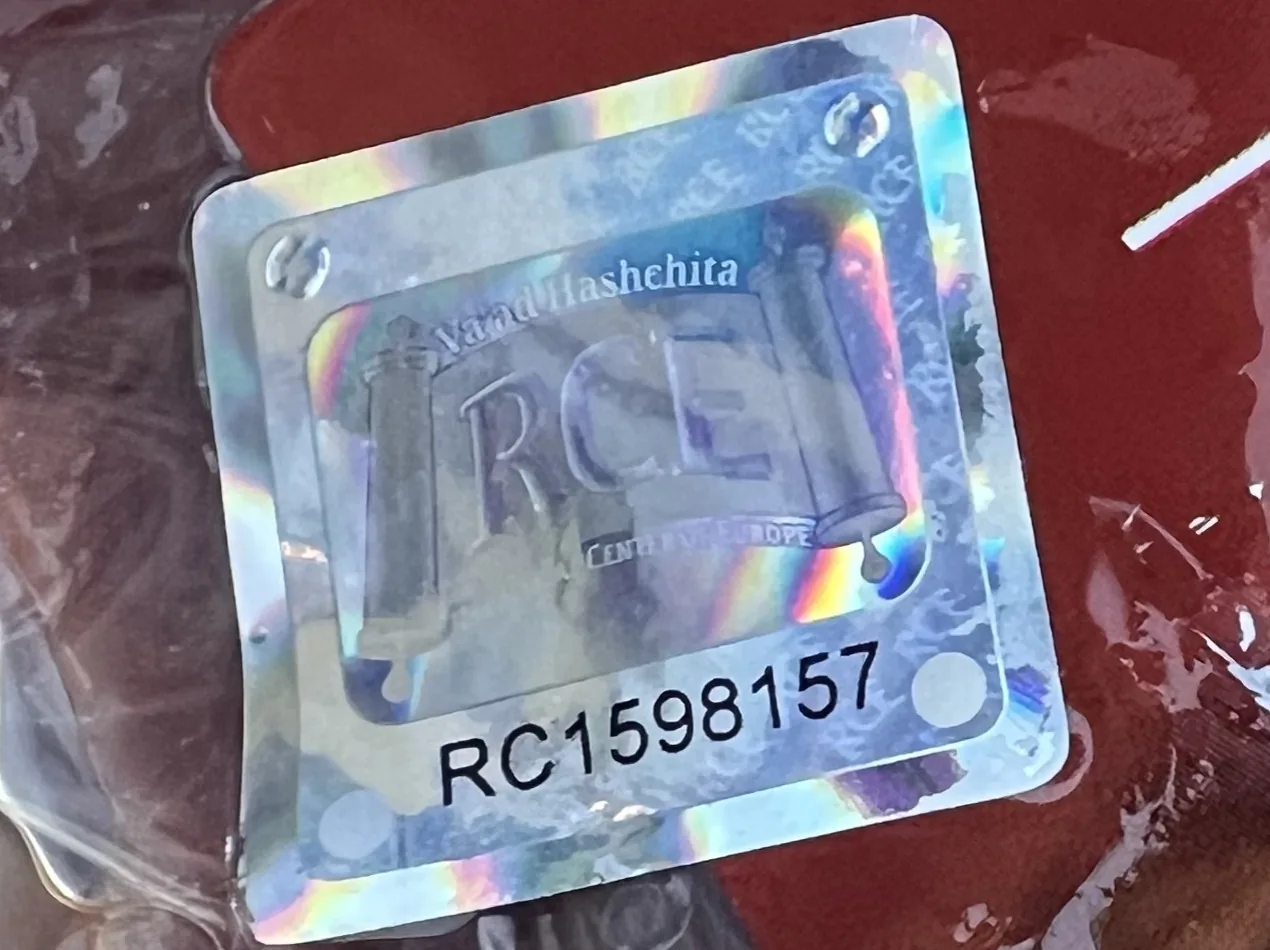
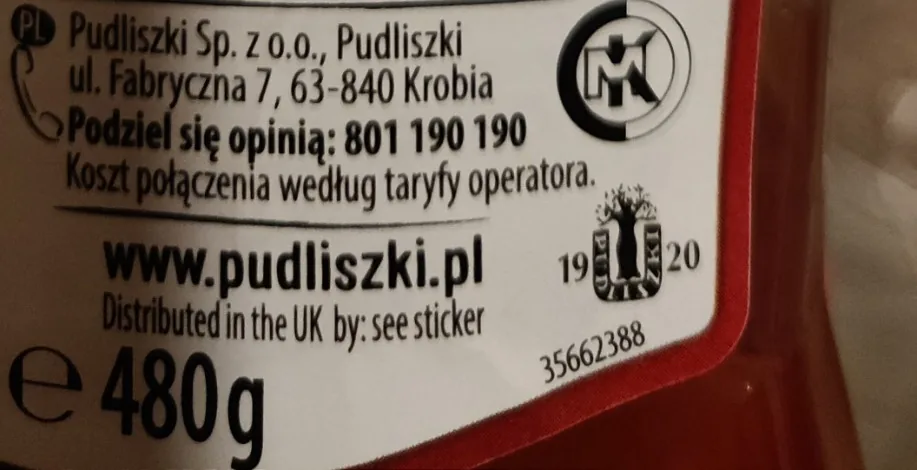
Kosher marks on the products we cook with
Sample products from our events. The marks belong to the supervising authorities.





Terms and questions
Kashrut in catering - questions and terms
Who decides the kashrut standard?
The group's rabbi. We do not issue kosher certificates or make religious rulings - when in doubt we always ask the rabbi or the mashgiach.
Do you have a kosher certificate?
We are not a production plant, so we do not work under one fixed certificate. We ensure kashrut for each group separately: the group's rabbi sets the standard, our mashgiach works in the kitchen, and we buy products with a hechsher (e.g. OU, OK) or from a kosher list the rabbi accepts. Kashrut is supervised by rabbis in Poland. We agree the details in writing before arrival.
What does parve mean - and why is fish served separately?
Parve is neutral food with no meat or dairy: vegetables, fruit, eggs, grains, kosher fish. Parve dishes can go with meat or dairy meals - but by custom fish is not served together with meat, and a parve dish cooked in a meat pot takes on its status.
What are Glatt, Chalav Yisrael and Pas Yisrael?
Glatt: the animal's lungs were found completely smooth, free of adhesions. Chalav Yisrael: milk produced with an observant Jew supervising the milking. Pas Yisrael: bread baked with the participation of a Jew. Full glossary →
What do mehadrin and Badatz mean?
Mehadrin means a higher level of stringency. Badatz (Beit Din Tzedek) is a rabbinical court whose mark appears on products and establishments it supervises. The standard for your group is always decided by its rabbi.
Why is kosher catering more expensive?
The price depends on the kashrut standard, the mashgiach's presence, koshering the kitchen, imported products (e.g. Glatt meat, Chalav Yisrael dairy), the number of people and logistics. We show you exactly what is included - no hidden items.
Can you send a menu proposal and a quote?
Yes. Tell us the number of people, their age, the days and meals, whether there is a Shabbat, the kashrut standard and the place - you will get a menu and a quote.
Practical guides
Kosher catering for a group in Poland and Europe - what to check before you sign
Five things that decide kosher meals for a group: the standard, the mashgiach, products, the venue and the price. With a contract checklist and…
Koshering a kitchen for a camp - step by step, and how long it takes
Our plan for koshering a venue kitchen for a camp or longer stay: the pre-contract check, what we kosher and what we bring, the koshering day…
When to book kosher catering for a summer camp or seminar - a timeline from 12 months to one week
What to settle 12, 6 and 3 months and 2 weeks before a kosher camp or seminar in Europe: venue and kitchen, menu, mashgiach, Shabbat, orders.
Kosher food
Tell us what your group needs
Number of people, dates, meals and the kashrut standard are enough to start. We reply usually within 24 hours.
Describe what you needWe correspond in English, Polish and Russian.