From Poland to Israel · Routes
Roots of Israel in Poland - Zionism, Heroism, the Righteous Among the Nations
Circle around Kraków
Będzin and Zagłębie, and the resistance in the Kraków ghetto.
Kraków - resistance in the ghetto and the Eagle Pharmacy
In the Kraków ghetto a Jewish fighting organization operated, rooted partly in the Zionist Akiva movement; its members carried out armed actions against the occupier. On Ghetto Heroes Square stood the Eagle Pharmacy (Apteka pod Orłem) of Tadeusz Pankiewicz - the only Pole permitted to remain and work inside the ghetto. He helped Jews in hiding and was recognized as Righteous Among the Nations. The pharmacy is now a museum.
Confirmed by Polish Righteous: Tadeusz Pankiewicz and Wikipedia: Kraków Ghetto.
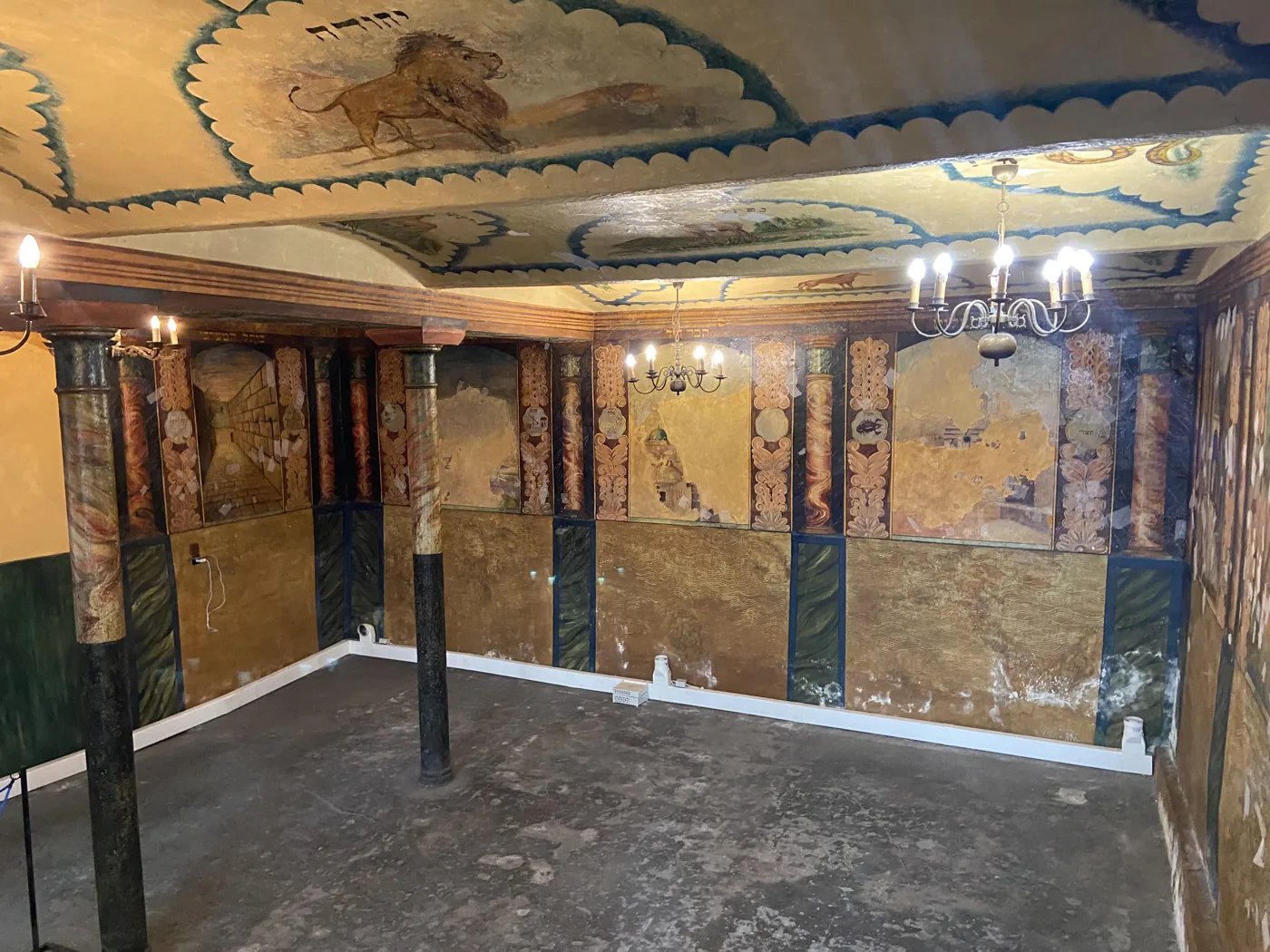
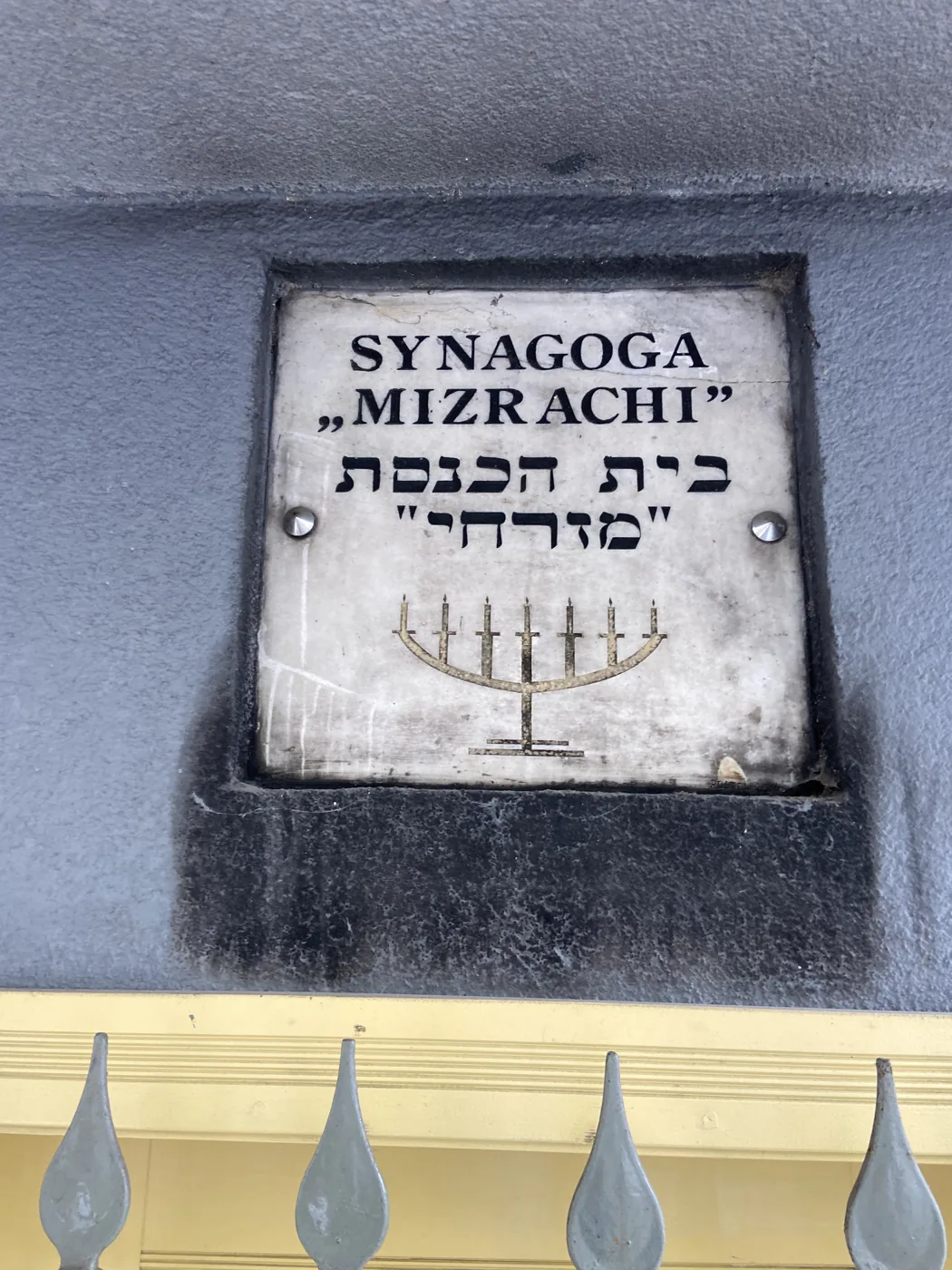
Będzin - the "Mizrachi" Prayer House and a cradle of Zionist youth
Będzin was a major center of Zionist youth movements in the Zagłębie region. Its "Mizrachi" Prayer House survives - a former prayer house of the religious-Zionist movement, founded in the late 19th century. On its walls and ceiling, polychromes in the spirit of Zionism have been preserved: Rachel's Tomb, a Jaffa street, Absalom's Tomb, a Star of David, and a full cycle of zodiac signs - one of only seven such in Poland. Będzin was home to Frumka Płotnicka, a leader of the resistance, and to Rutka Laskier, the teenage author of a moving diary.
Confirmed by pl.Wikipedia: Mizrachi Synagogue, Zagłębie Museum, and Wikipedia: Frumka Płotnicka.
- Old Synagogue - the oldest in Poland, now a museum
- Remuh Synagogue and cemetery - the Rema's grave
- Isaac Synagogue - Baroque, richly decorated
- Kupa Synagogue - colorful wall paintings
- Tempel Synagogue - grand, ornate interior
- High and Popper Synagogues - former prayer houses
- Galicia Jewish Museum - photography and memory
- Schindler's Factory - occupied Kraków (museum)
- Ghetto Heroes Square - the empty chairs memorial, Eagle Pharmacy
- JCC Kraków - the living Jewish community today
- Auschwitz-Birkenau (Oświęcim) - German Nazi concentration and extermination camp
- Tarnów - bimah of the former synagogue, Jewish cemetery
Circle around Lublin
The Righteous of Markowa and the shtetl that produced great figures (Zamość).
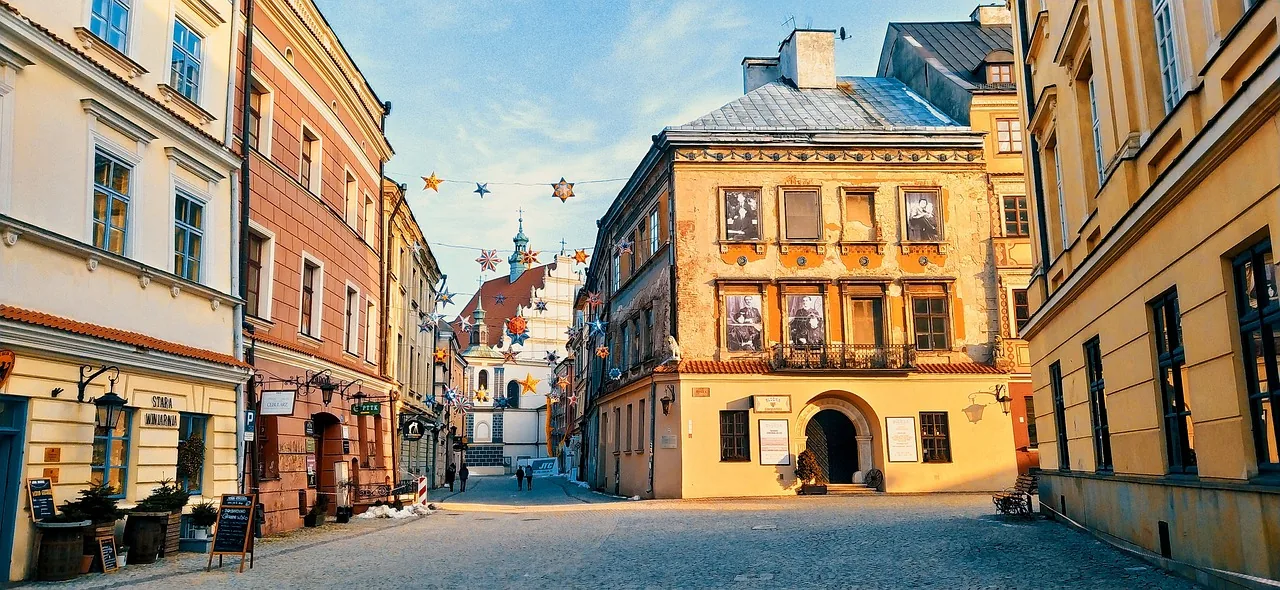
Markowa - the Ulma Family and the Museum of Poles Saving Jews
Józef and Wiktoria Ulma of the village of Markowa hid Jewish families in their home. For this they were murdered by the Germans together with their six children on 24 March 1944. Recognized as Righteous Among the Nations, they were beatified in 2023. Markowa is home to the Ulma-Family Museum of Poles Saving Jews during World War II.
More than 7,200 Poles have been honoured as Righteous Among the Nations - the highest number of any nation. Full, alphabetical name lists are maintained by the Yad Vashem Institute and the Polish Righteous portal, created with the POLIN Museum.
Confirmed by Wikipedia: Ulma family and the Ulma Museum.
Zamość - the shtetl that produced great figures
Renaissance Zamość, a UNESCO World Heritage Site, had a rich Jewish community and a Renaissance synagogue. It was the birthplace of Rosa Luxemburg, one of the most important figures of European political thought, and of Isaac Leib Peretz, a classic of Yiddish literature. Zamość shows how Poland's shtetls produced people who shaped the world and Jewish culture.
Confirmed by Wikipedia: Rosa Luxemburg and Wikipedia: I. L. Peretz.
- Yeshivas Chachmei Lublin - restored rabbinical academy and synagogue
- Grodzka Gate - NN Theatre - memory of Jewish Lublin, city model
- Majdanek - German Nazi concentration and extermination camp
- Old Jewish cemetery in Lublin - one of the oldest in Poland
- Zamość - Renaissance synagogue and Old Town (UNESCO)
- Zamość Rotunda - a site of remembrance
- Bełżec - German Nazi extermination camp (museum)
- Kazimierz Dolny - a picturesque town with Jewish history
Circle around Warsaw
The ghetto uprising, POLIN, and Ben-Gurion's town.
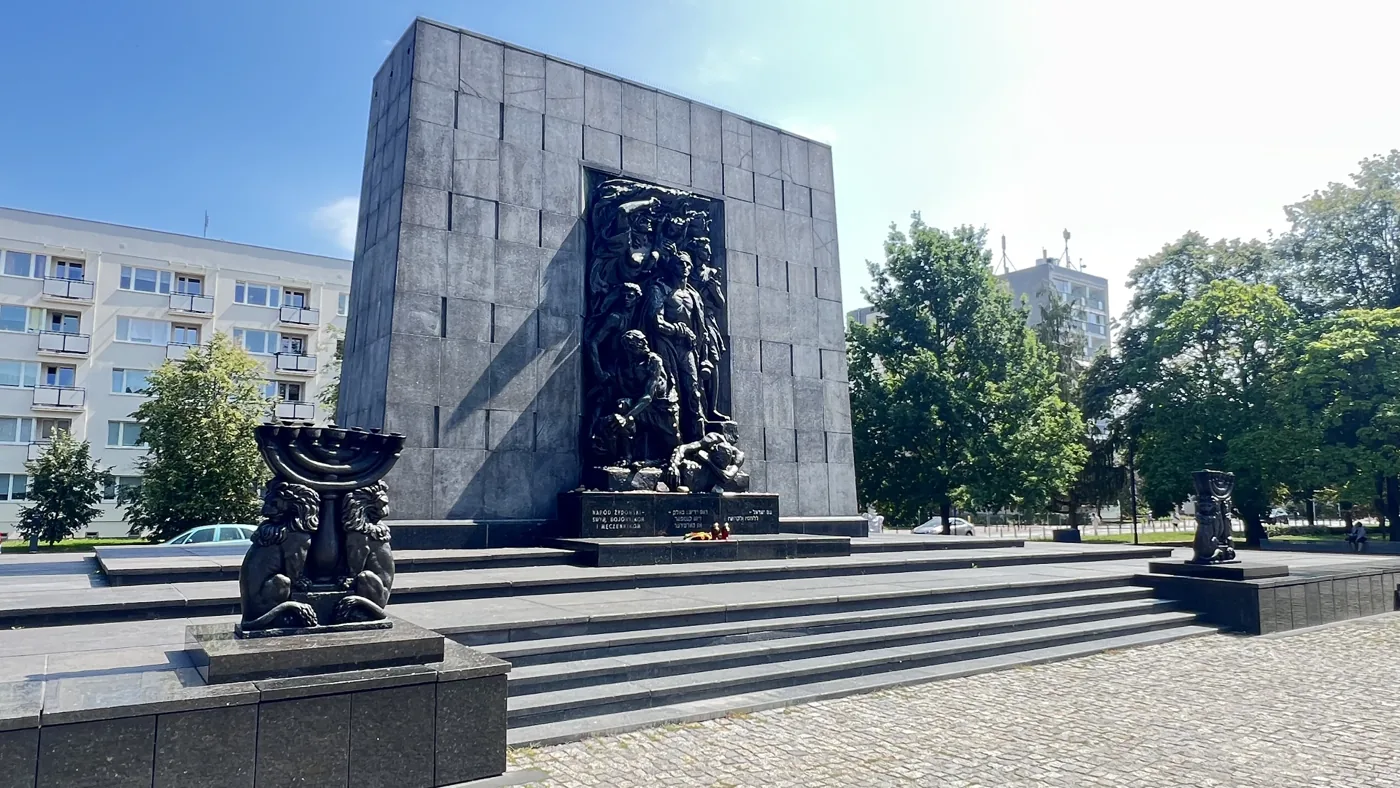
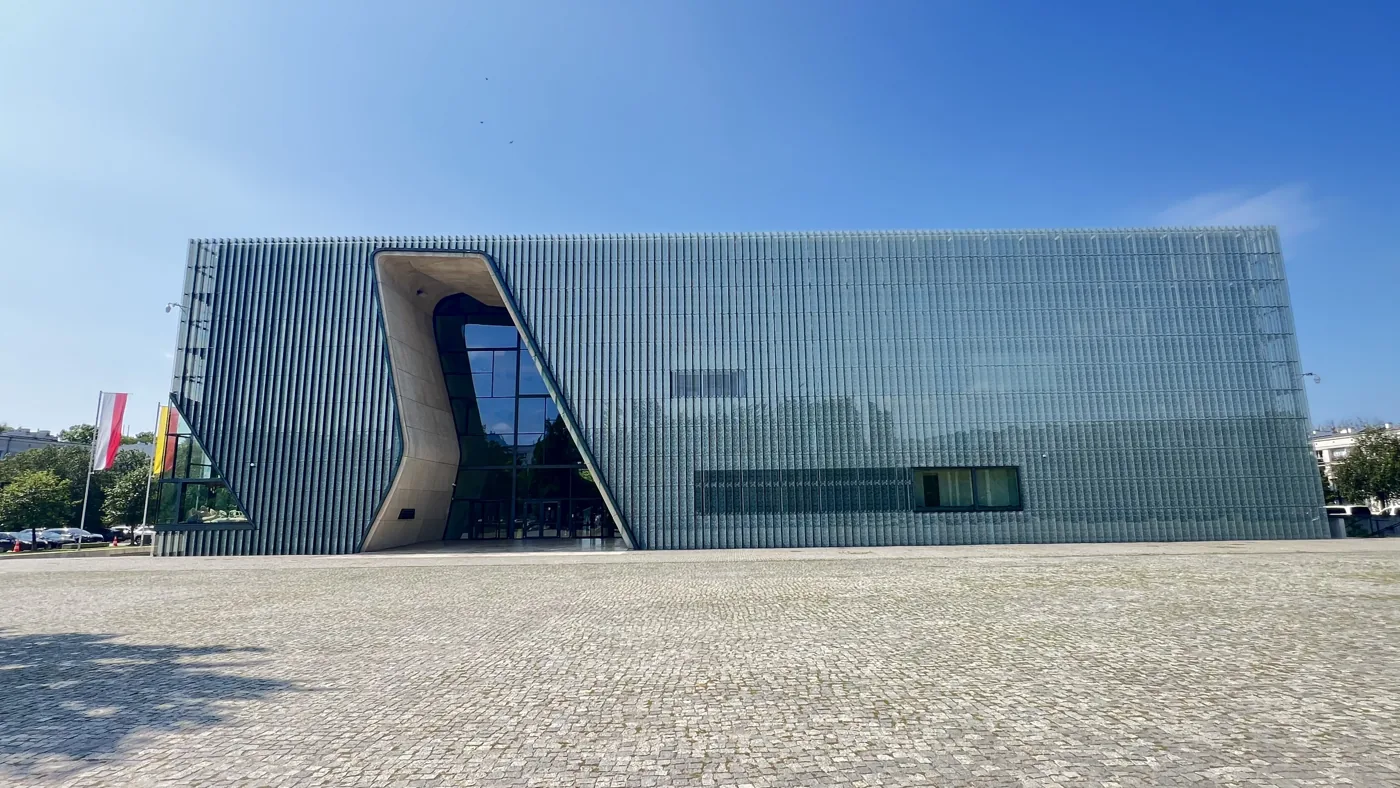
Warsaw - the ghetto uprising, the Ghetto Heroes Monument and POLIN
In 1943 the Warsaw Ghetto Uprising broke out - the largest armed Jewish revolt during the Holocaust - led by Mordechai Anielewicz and the Jewish Combat Organization (ŻOB). On the grounds of the former ghetto stands the Monument to the Ghetto Heroes (Nathan Rapoport, 1948); here in 1970 Chancellor Willy Brandt knelt. Opposite the monument rises the POLIN Museum, telling a thousand years of Polish-Jewish history. This is where groups pay tribute and sing the anthem.
Confirmed by Wikipedia: Mordechai Anielewicz and Wikipedia: POLIN. Anielewicz's birthplace is given variously (Wyszków or Warsaw).
Płońsk - the town of David Ben-Gurion
David Ben-Gurion (David Grün) was born in Płońsk in 1886 - a father of Zionism, founder and first Prime Minister of Israel, who declared the state's independence on 14 May 1948. Płońsk is the symbolic beginning of the road "from a Polish shtetl to the State of Israel" - a powerful stop for groups seeking the roots of Israeli statehood.
Confirmed by Yad Vashem: Płońsk community and Wikipedia: David Ben-Gurion.
- Nożyk Synagogue - the only surviving prewar synagogue, still active
- Okopowa Street Jewish cemetery - one of Europe's largest, graves of great figures
- Umschlagplatz - memorial at the deportation site to Treblinka
- Ghetto wall fragments - Sienna / Złota Street
- Miła 18 - the bunker mound, where Anielewicz and the ŻOB command died
- Path of Remembrance - stone blocks across the former ghetto
- Warsaw Ghetto Museum - a new museum of the ghetto's history
- The Chłodna footbridge site - the former bridge over the "Aryan" street
- Treblinka - German Nazi extermination camp
- Otwock / Śródborów - a former Jewish resort near Warsaw
Circle around Łódź
The Jewish industrial and cultural power of central Poland.
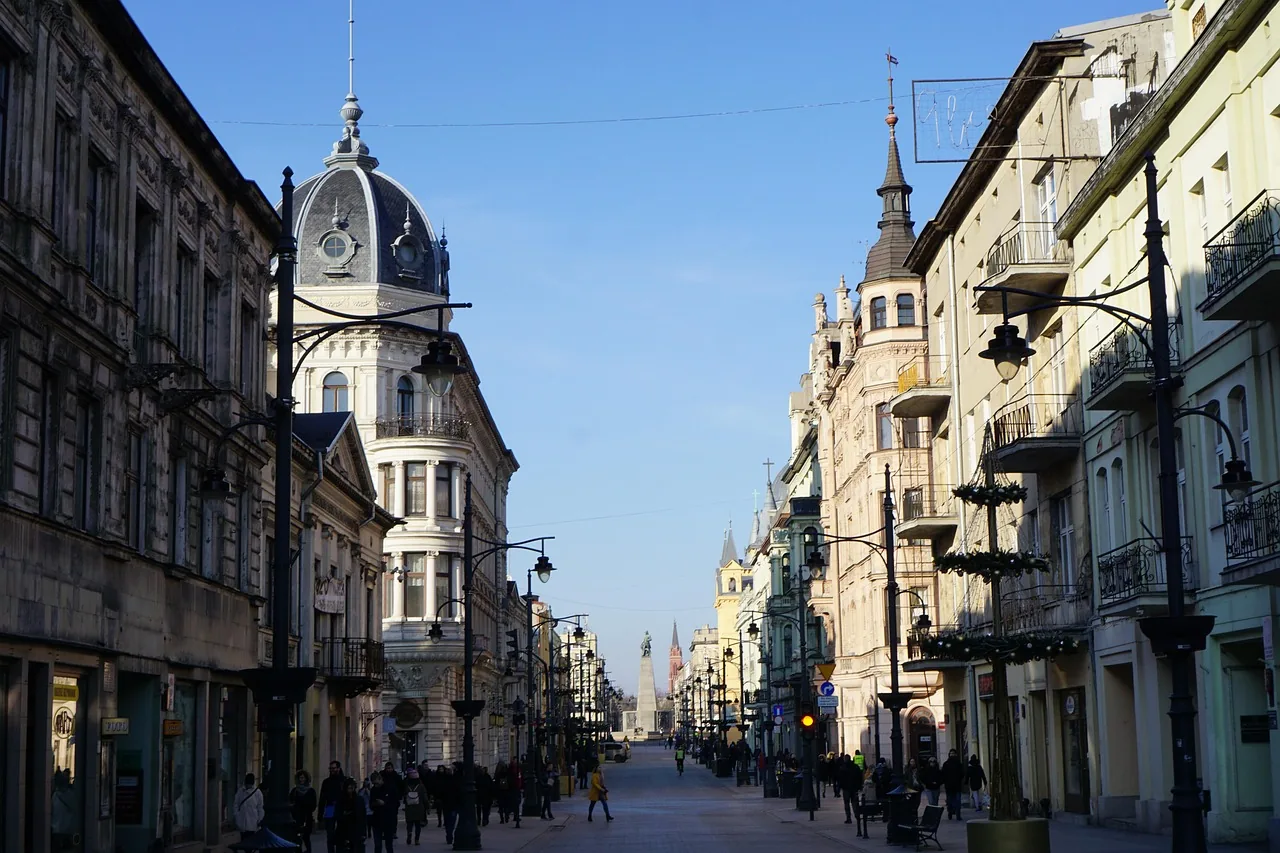
Łódź - Izrael Poznański and the city's Jewish power
In the 19th and 20th centuries, Łódź was one of the most important centers of Jewish industry and culture. Its power is symbolized by Izrael Poznański, the "cotton king," whose palace and factory (today's Manufaktura) still impress with their scale. From Jewish Łódź came the poet Julian Tuwim and the world-famous pianist Artur Rubinstein.
Confirmed by Wikipedia: Izrael Poznański and Historia: Poszukaj.
The Jewish cemetery in Łódź and the Poznański Mausoleum
The Jewish cemetery in Łódź is one of the largest in Europe. It contains the monumental mausoleum of Izrael Poznański - considered the largest Jewish tomb in the world. The site conveys the scale and wealth of former Jewish Łódź.
Confirmed by pl.Wikipedia: Poznański Mausoleum.
- Litzmannstadt Ghetto - one of the largest ghettos, surviving traces
- Radegast Station - deportation site and memorial
- Survivors' Park - park and Mound of Memory
- Piotrkowska Street and Manufaktura - Łódź's former industrial power
- Chełmno (Kulmhof) - the first German Nazi extermination camp
- Piotrków Trybunalski - the first ghetto in occupied Poland (1939)
- Aleksandrów Łódzki - the ohel of the Aleksander dynasty tzadikim, just outside Łódź
The "Roots of Israel" route - and a link to the tzadik graves
SEBIR arranges these sites into coherent routes around Kraków, Lublin, or Warsaw - with transport, kosher meals on the way, and lodging. We can also combine them with the tzadik-graves route (the same corridor) and, on request, connect you with local museums and organizations.
More threads in preparation
We will add, among others, Rutka Laskier and the burning of Będzin's Great Synagogue, Nahum Sokolow, the pioneer (hachshara) movements, and Żegota and Irena Sendler - each after fact verification.