Kazimierz · Heritage
Hidden Details of Kazimierz - 7 Documented Sites
Mezuzah marks in doorframes
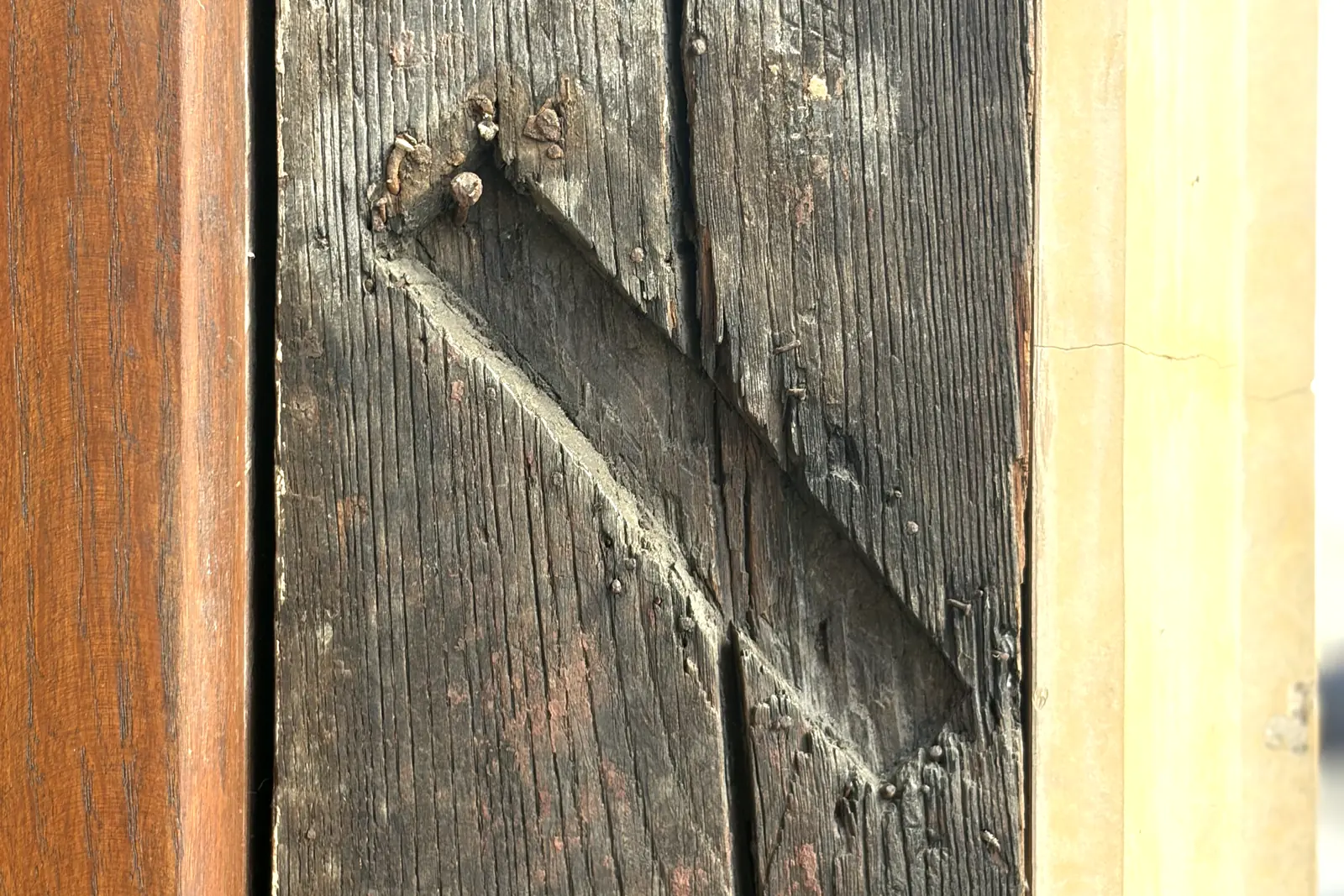
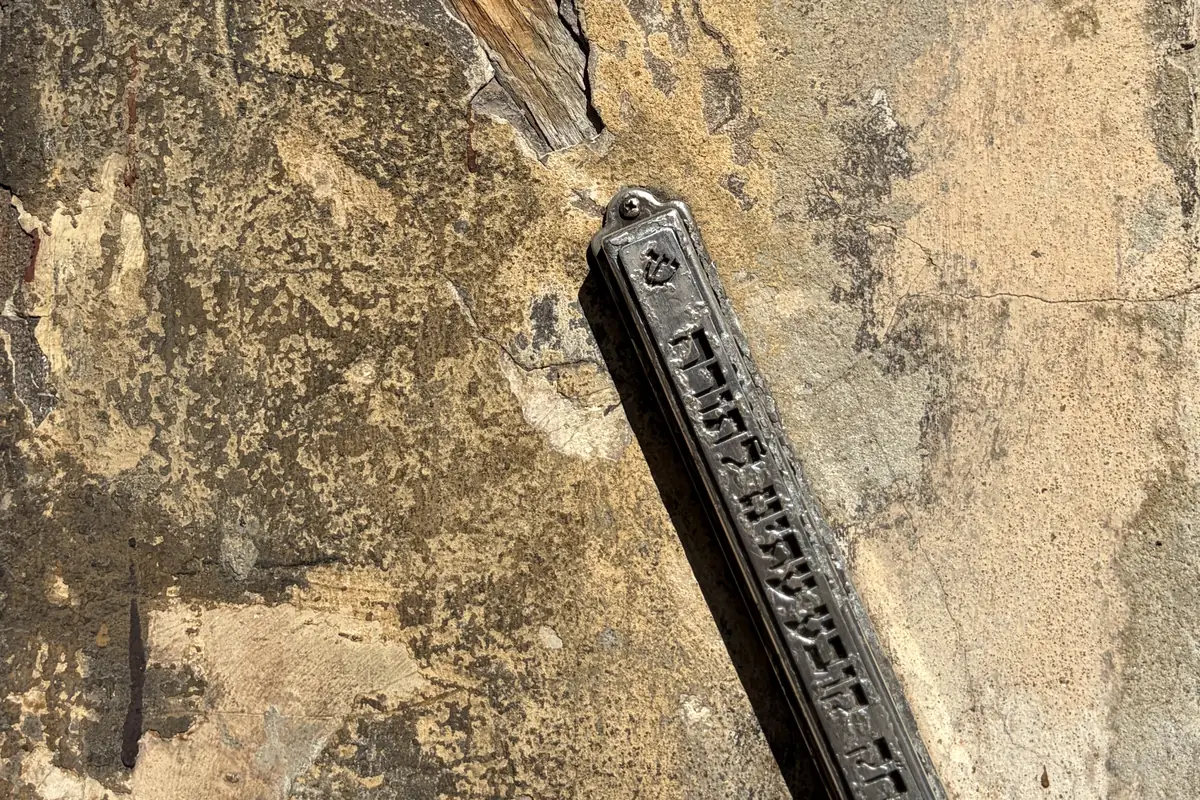
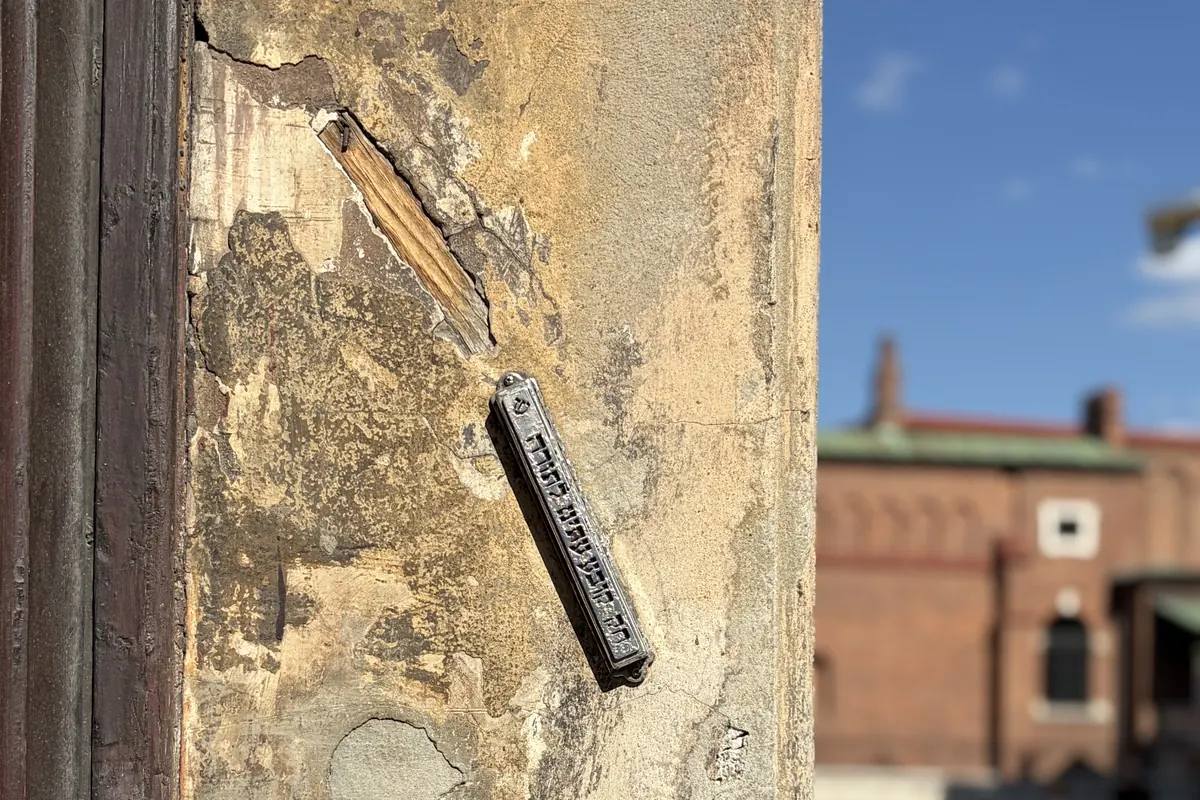
Along Józefa Street and the surrounding lanes of Kazimierz, the doorframes of many old tenement buildings bear small indentations - the marks left by mezuzot. For centuries, these slots held metal or wooden cases containing a parchment scroll with words of prayer. A mezuzah marked every entrance: to an apartment, a shop, a synagogue, a school.
When the residents left Kazimierz, the mezuzot were taken or removed - but the marks remained. Buildings now used as cafes and souvenir shops carry an invisible history literally written in stone and wood. For many visitors, these modest indentations are among the most moving traces of presence visible in the district with the naked eye.
Confirmed by conservation documentation of tenement buildings on Józefa Street and jewishkrakow.net. Visible to the naked eye - verifiable on-site without any additional materials.
Close-up macro shot of the doorframe in diffused side-light (evening or shadow from the building). Look for indentations approx. 2–3 cm wide on the right side of the doorframe, at eye level. Many buildings between numbers 30–50 on Józefa Street.
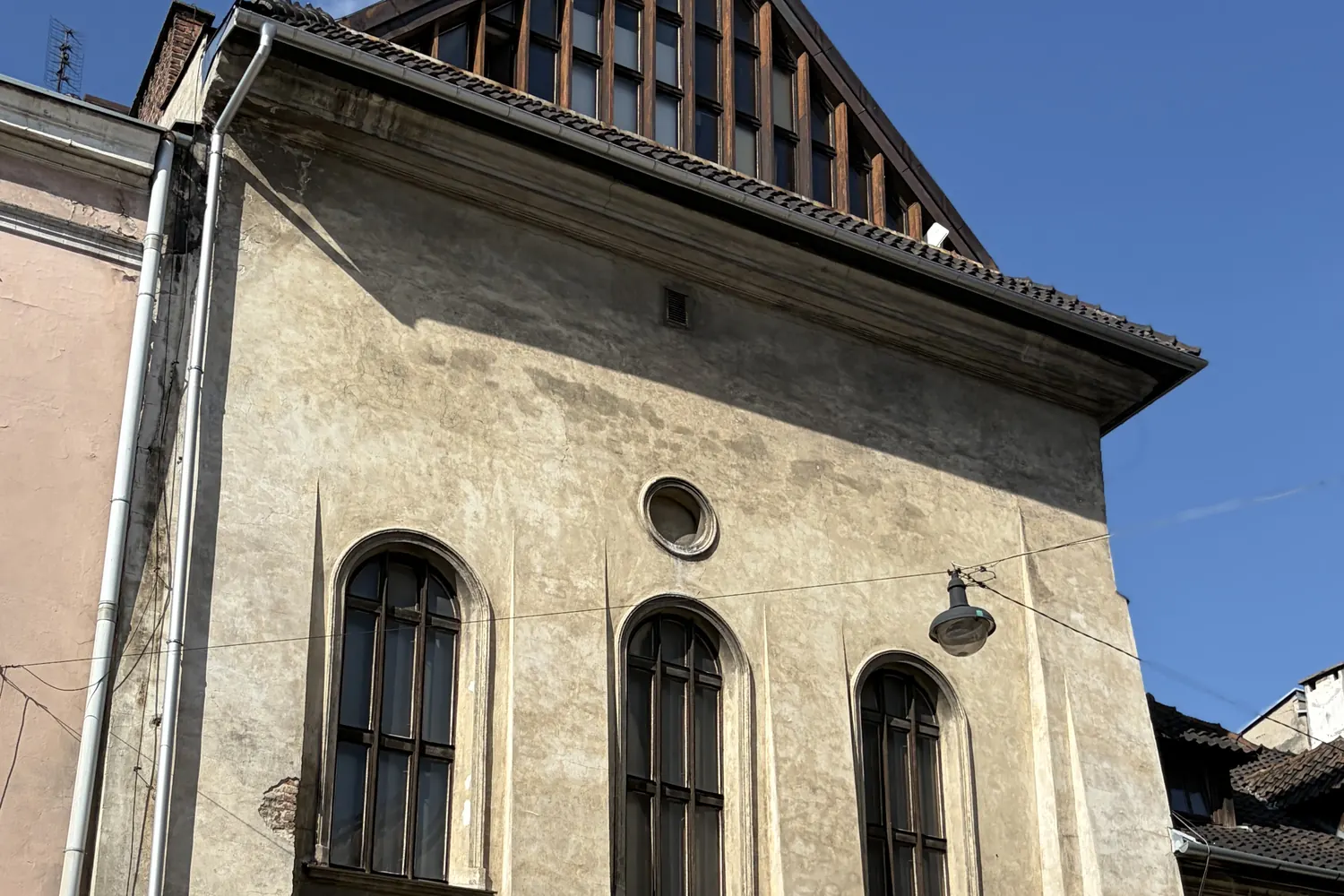
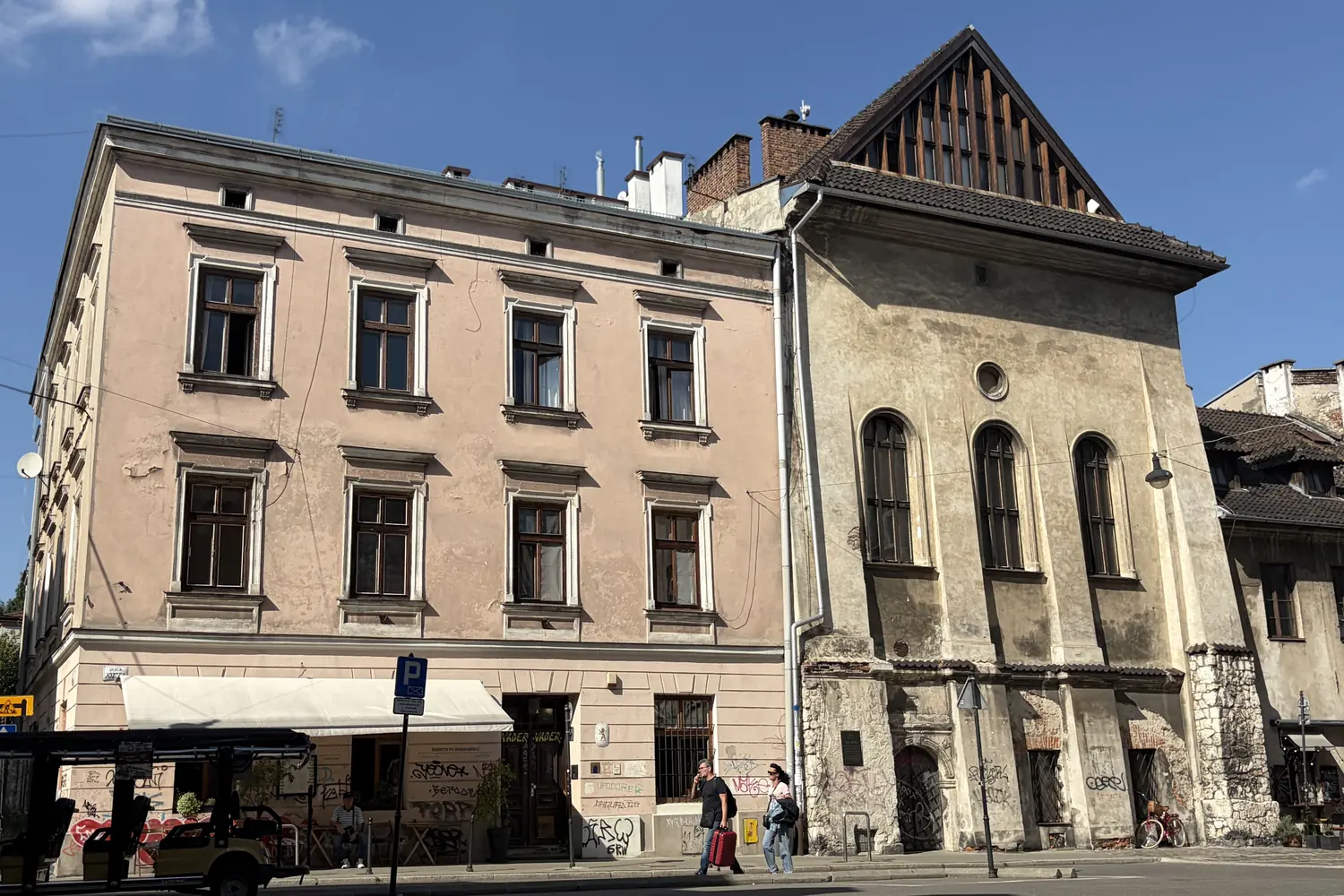
Exterior for now - a photo of the griffins inside will follow.
Two griffins above the Aron HaKodesh - oldest Renaissance one in Poland
Inside the High Synagogue at Józefa 38 stands an Aron HaKodesh from the late 16th century - the oldest surviving Renaissance Aron HaKodesh in Poland. Look up: above the frame, flanking both sides of the pediment, sit two griffins. An ornament straight from Renaissance grotesque decoration, found in 16th-century townhouses and churches - placed here where the Torah scrolls are kept.
The combination of heraldic and mythological symbolism with the sacred space of a synagogue seems surprising today, but in Renaissance Kraków it was not exceptional. Jewish craftsmen and patrons readily borrowed from the aesthetic vocabulary of their surroundings. Above the cabinet doors, the original Hebrew inscription reads: Keter Torah - Crown of the Torah.
Documented by Wikipedia - High Synagogue (Kraków), conservation records of the Jewish Community of Kraków, and documentation blogs from 2008. Accessible during synagogue visits.
The griffins sit high above the Aron HaKodesh - you'll need a telephoto or strong zoom (min. 50 mm equiv.). The interior is dim; stabilize the camera (lean against a wall, use a monopod) or set ISO 800–1600. Entrance: ul. Józefa 38, Ethnographic Museum grounds.
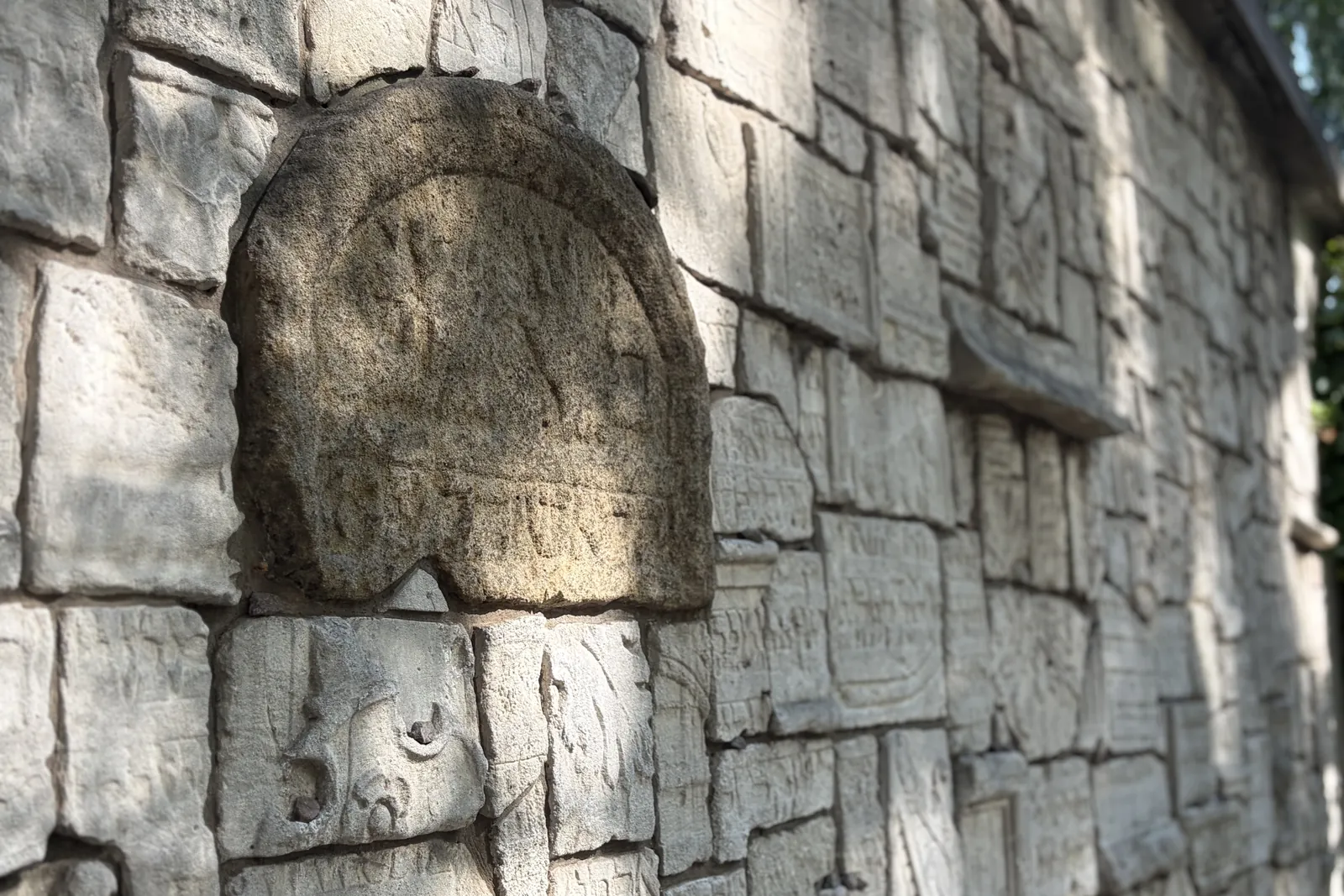
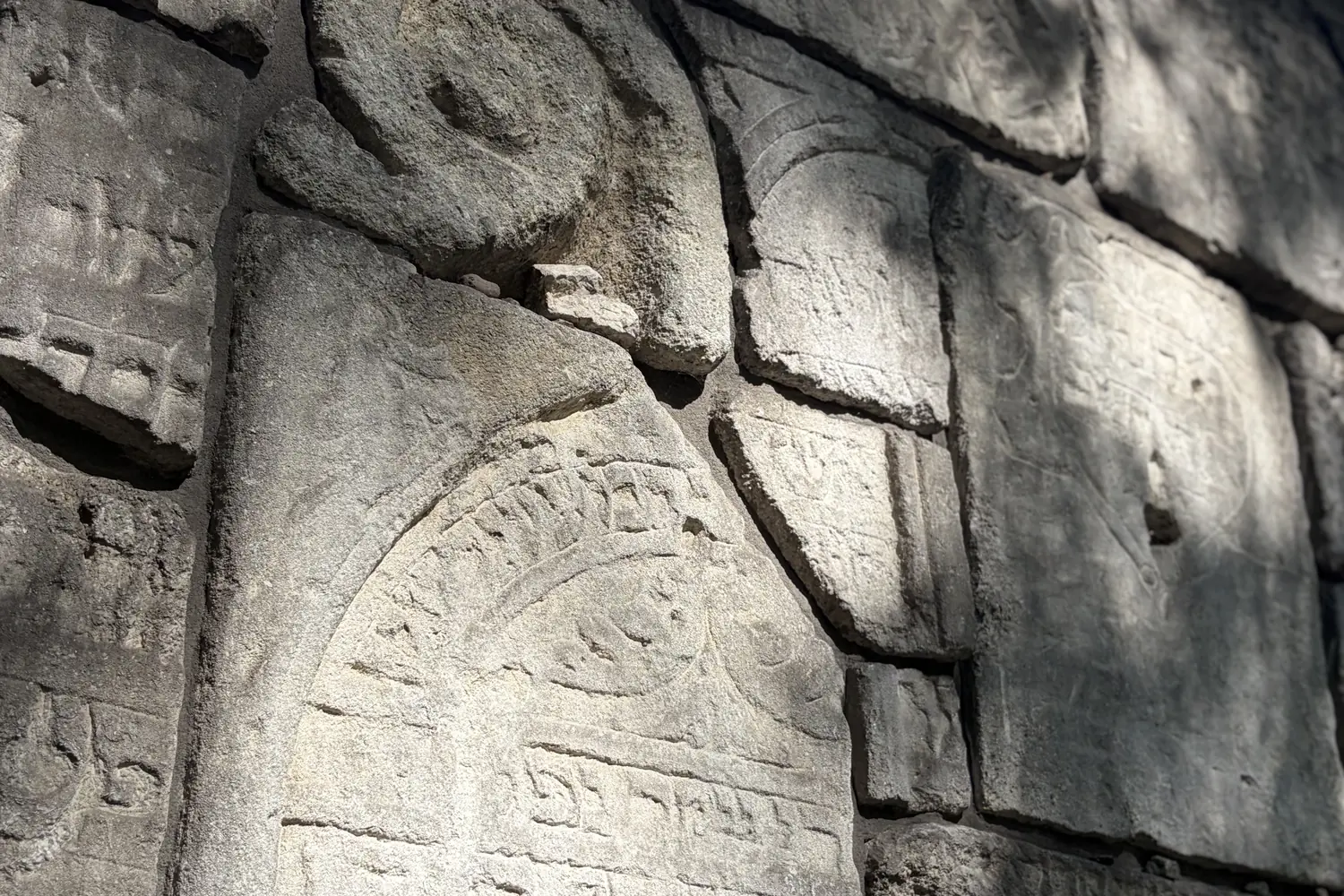
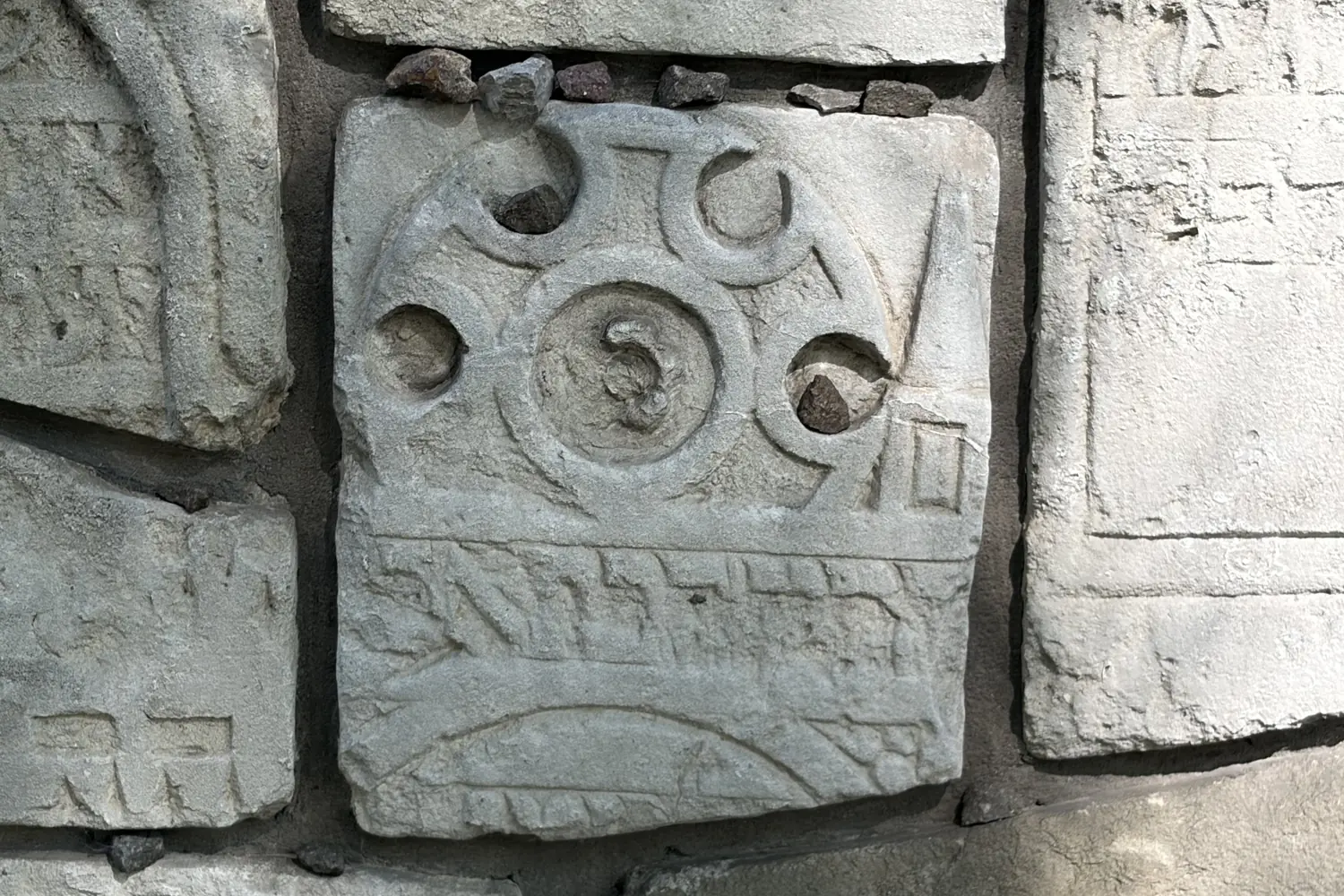
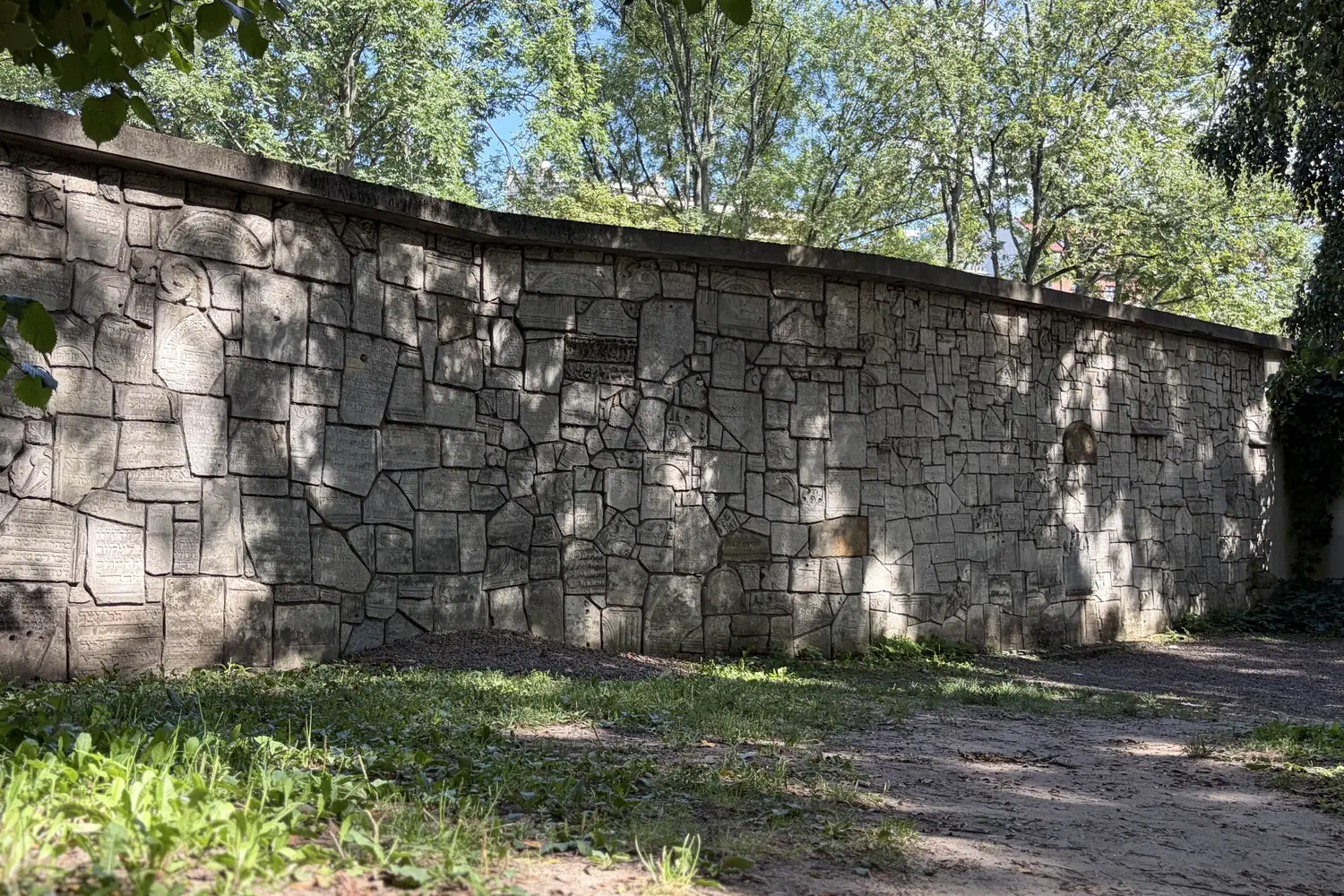
Wall of tombstone fragments - the 1956 discovery
In 1956, during maintenance work at the Remuh Cemetery, workers uncovered a layer of earth hiding approximately 700 gravestones. The matzevot had lain there since the 16th–19th centuries - buried during wars or catastrophes, hidden underground for hundreds of years. No one living had known they were there.
Fragments that could not be reassembled into whole stones were not discarded. They were embedded into the interior cemetery wall - partial Hebrew inscriptions, ornaments, individual letters, fragments of dates. Together they form a kind of "wailing wall" of stone, unique in all of Poland. Standing before this wall, you look at the 16th and the 20th century simultaneously.
Year of discovery (1956) and number of gravestones (approx. 700) confirmed by Wikipedia - Remuh Cemetery, IAJGS and jewish.krakow.pl. Accessible during cemetery visits.
Close-up shots of individual inscription fragments and ornaments work best. The wall is inside the cemetery after entering through the gate by the Remuh Synagogue. Soft, overcast light works better than direct sun - it eliminates harsh shadows on the stone relief. A wider shot from approx. 3–4 m captures the full context.
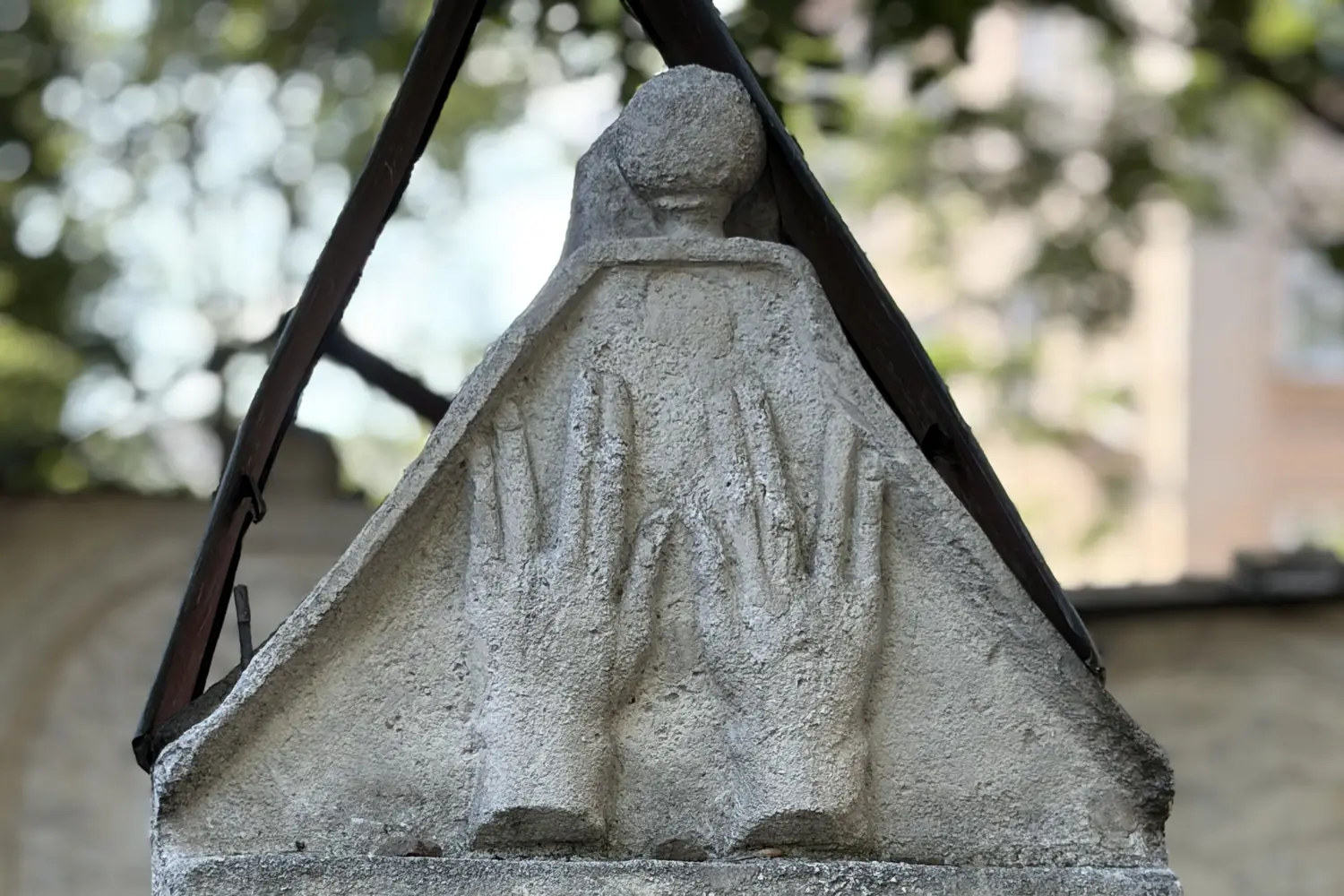
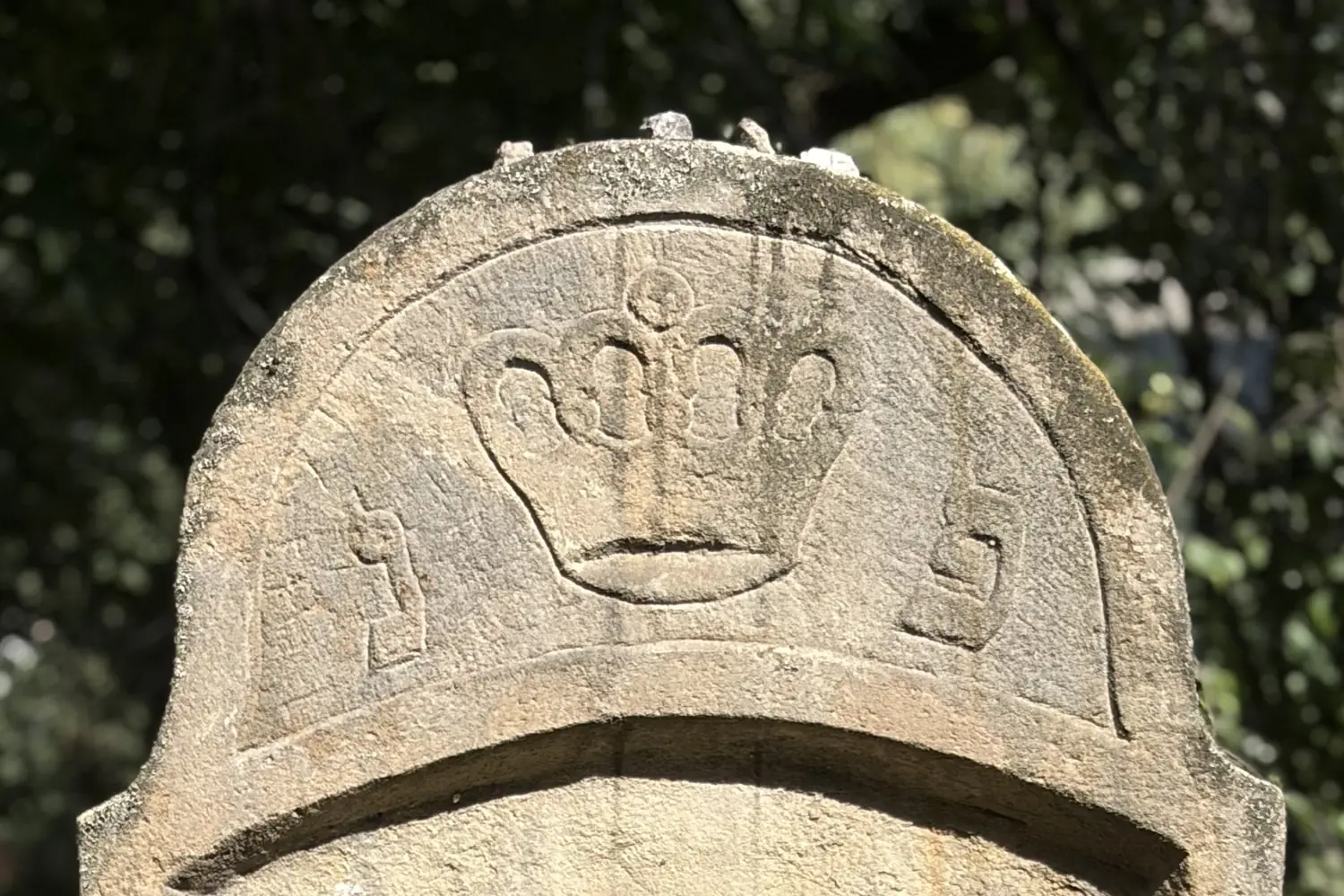
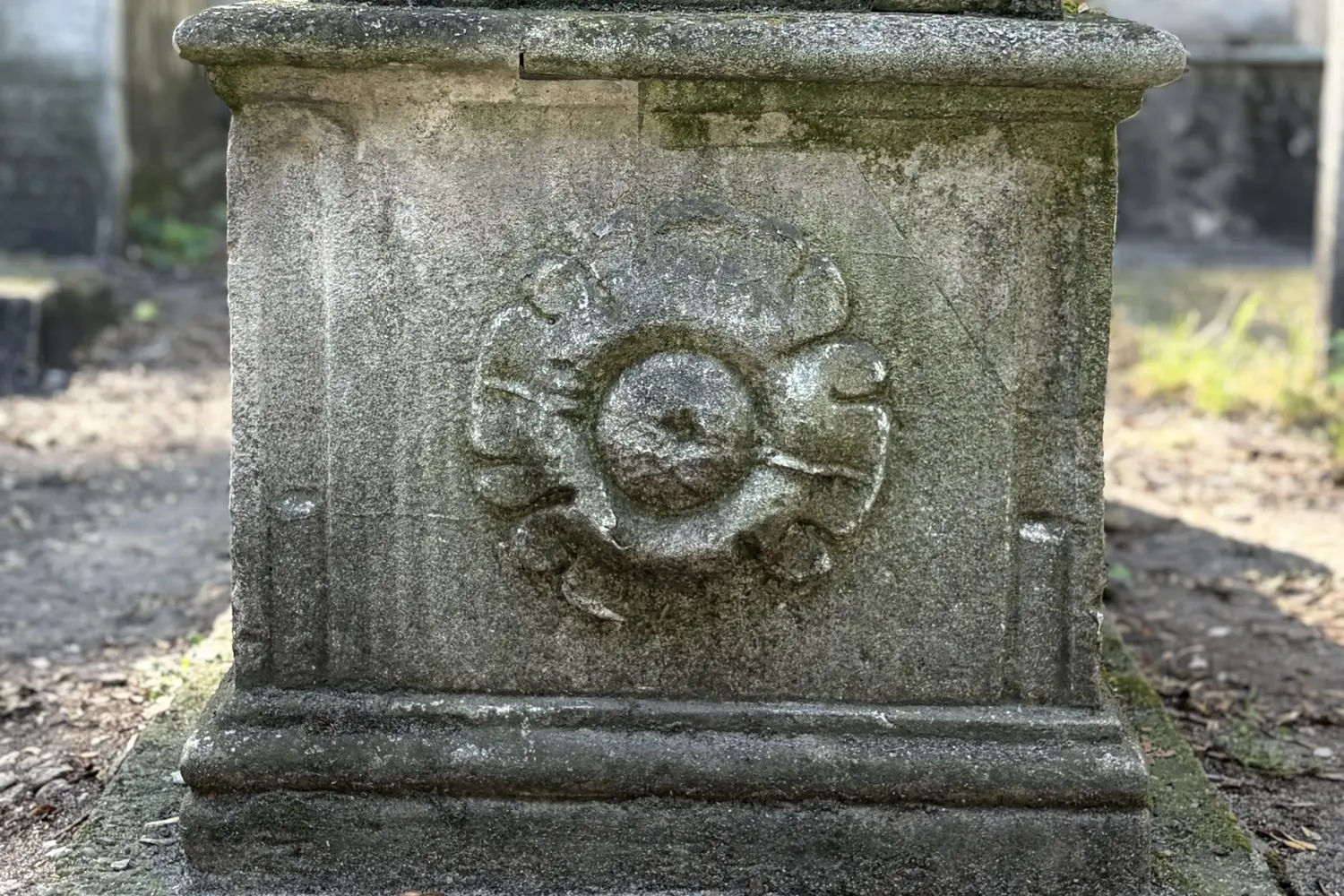
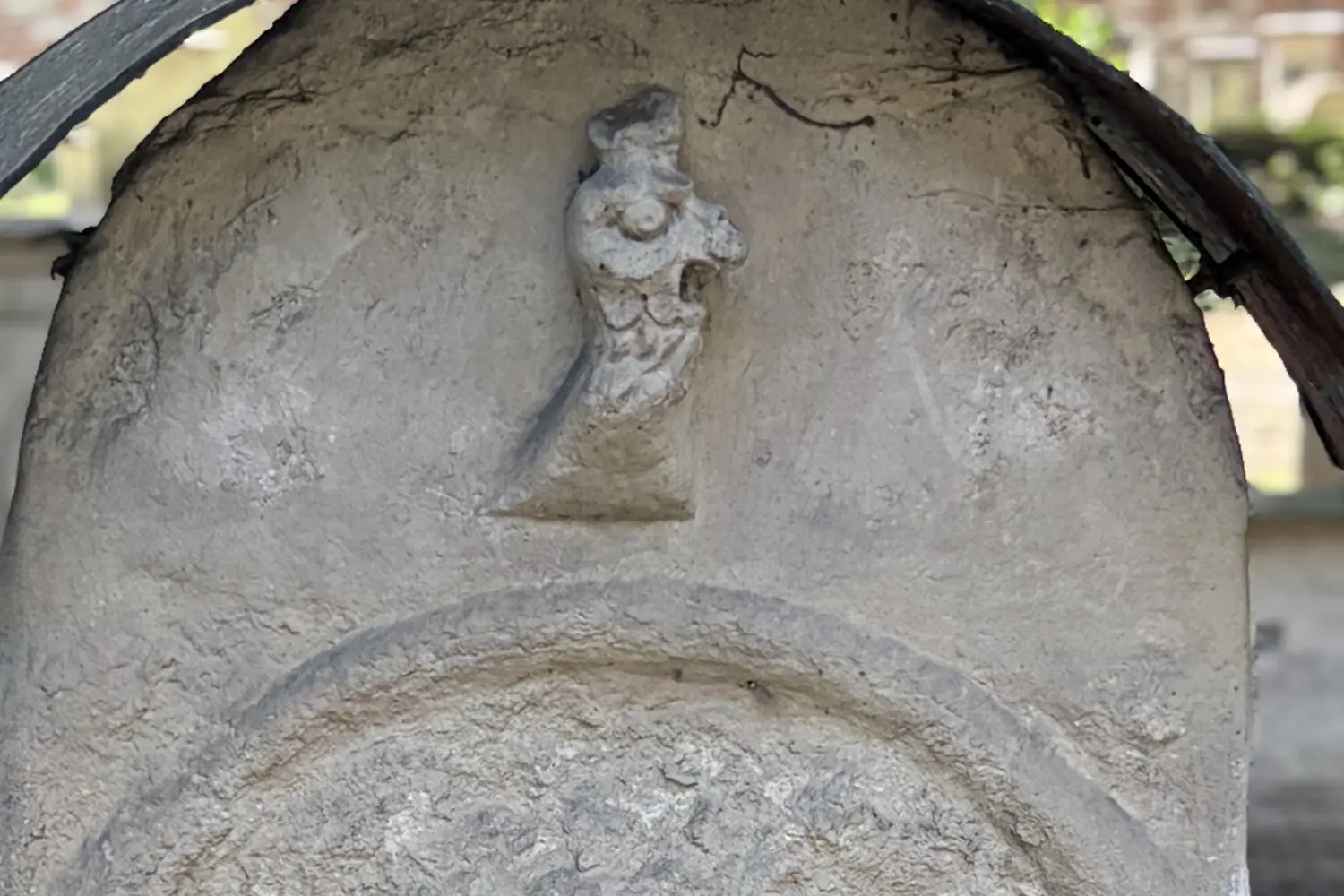
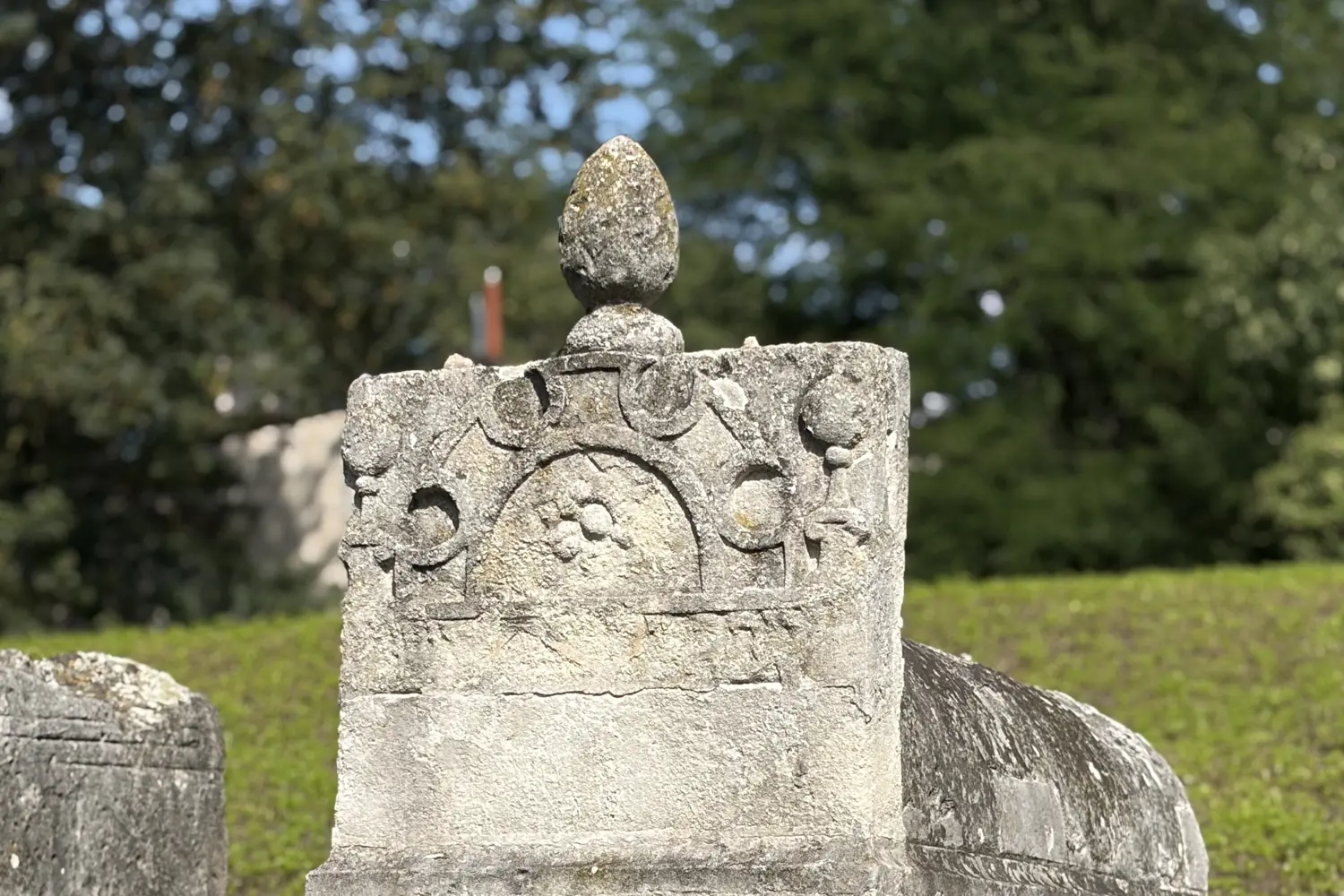
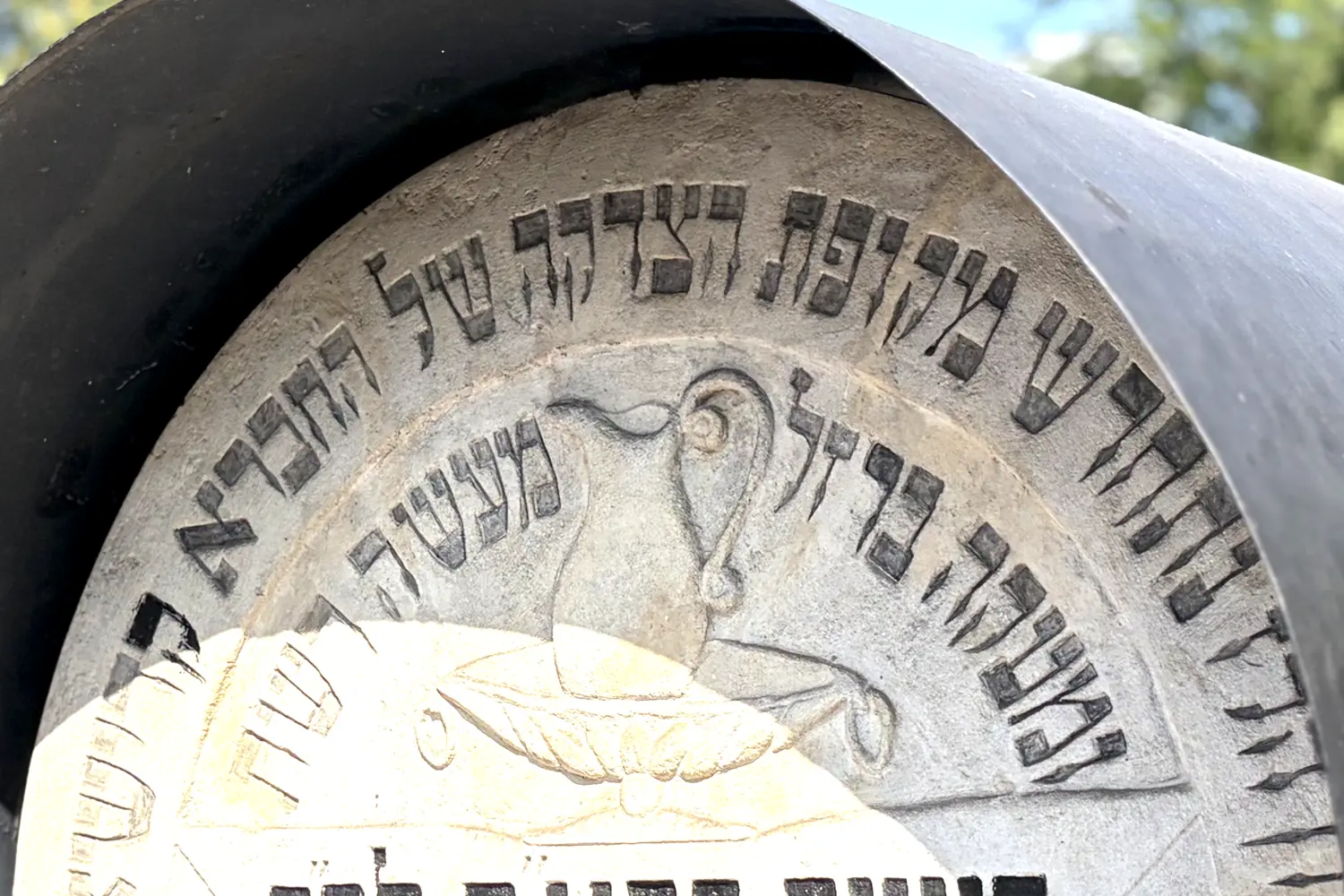
Symbols on matzevot - a stone vocabulary of identity
On the gravestones of Remuh Cemetery, carved symbols speak more than names. The system is simple and readable even after centuries: hands raised in the priestly blessing - the sign of the Kohanim, descendants of the Temple priests. A jug or bowl - the sign of the Levites, who poured water over the priests' hands during ritual. A grapevine or open book - a scholar, a rabbi. A crown - virtue or distinguished service to the community.
Together they form a visual vocabulary of social and religious identity. Each stone is a compressed biography - position in the community, role in worship, type of scholarship. Many of these gravestones are 400–500 years old, and the symbols remain fully legible.
The sepulchral symbol system is confirmed by jewishkrakow.net, krakow.travel, and academic works on gravestone iconography (e.g., Stones of Memory, Herder Centre publications). Visible at Remuh Cemetery - verifiable on-site.
Choose one iconic symbol - the hands of the Kohanim or a Levite's jug work well - and take a close-up macro shot in side-light. Shadow from one direction brings out the stone relief. You can also frame several matzevot with different symbols together in a panoramic composition. The gravestone of Rabbi Moses Isserles (died 1572) features a distinctive tiara/crown.
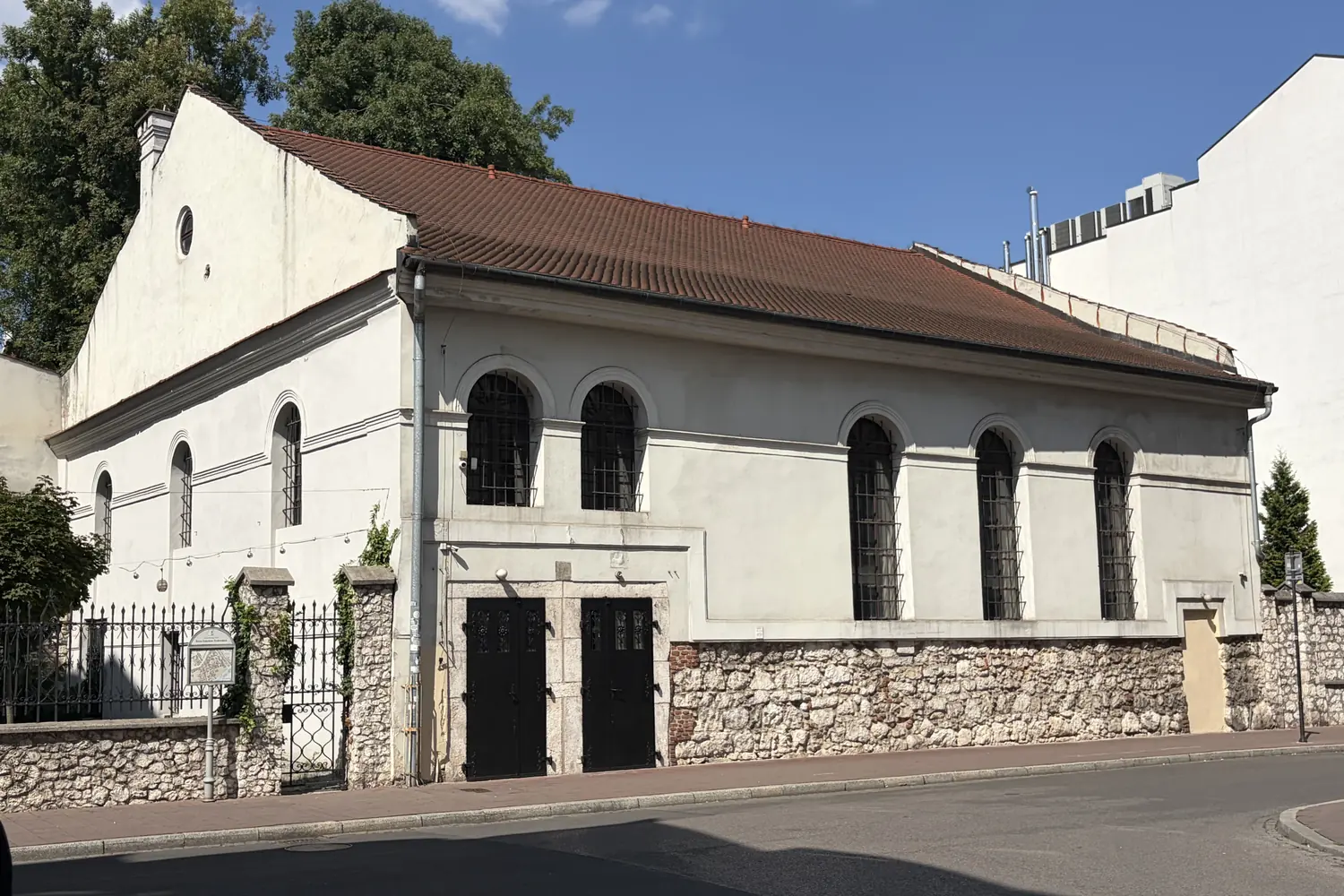
Exterior for now - the zodiac ceiling paintings will follow when the synagogue is open.
Zodiac signs on the women's gallery balustrade - Kupa Synagogue
On the balustrade of the empora - the women's gallery on the upper level of the Kupa Synagogue at Miodowa 27 - painted zodiac signs can be found, set within oval frames. This detail was discovered relatively recently, during conservation work in the second half of the 20th century. It had been hidden under successive layers of paint for decades, perhaps centuries.
The combination of astronomical-astrological symbolism with a synagogue interior has historical precedent - the zodiac appears in mosaic floors of ancient synagogues in Israel (e.g., Bet Alfa) - but in Poland it is rare. At the Kupa Synagogue, zodiac and sacred interior create something that rewards an upward glance.
Documented by Wikipedia - Kupa Synagogue and Centre for Jewish Art, Jerusalem (cja.huji.ac.il). The synagogue is open for visits - it functions as a cultural and music centre.
The empora is upstairs - either go up or use a telephoto from the ground floor. A close-up of a single zodiac medallion works better than a wide shot of the whole balustrade. Interior lighting can vary - consider a small tripod or bracketing exposures.
Holy Land panoramas on the ceiling - paintings from 1925
The wooden ceiling of the main hall of the Kupa Synagogue at Miodowa 27 is covered by paintings dated to 1925. Each cardinal direction corresponds to a different city of the Holy Land - Jerusalem to the north, Tiberias to the south, Jaffa and the Western Wall to the east, Hebron and Haifa to the west. Surrounding the city panoramas - musical instruments: harps, trumpets, tambourines.
The date (1925) and composition are documented by the Centre for Jewish Art in Jerusalem. This matters: it makes these paintings a primary source, not a legend. Looking up at the ceiling, you see a map of longing - a geography of exile expressed in paint, one year before antisemitic violence in Poland began to escalate.
Date (1925) and composition confirmed by Wikipedia - Kupa Synagogue and Centre for Jewish Art, Jerusalem. Accessible during visits.
Wide-angle lens aimed at the ceiling while standing in the centre of the hall - the full painting in one shot. Natural light may be insufficient (ceiling is high) - use ISO 1600–3200 or a tripod. You can also shoot each of the four city panoramas separately (one per wall) and assemble a composite.
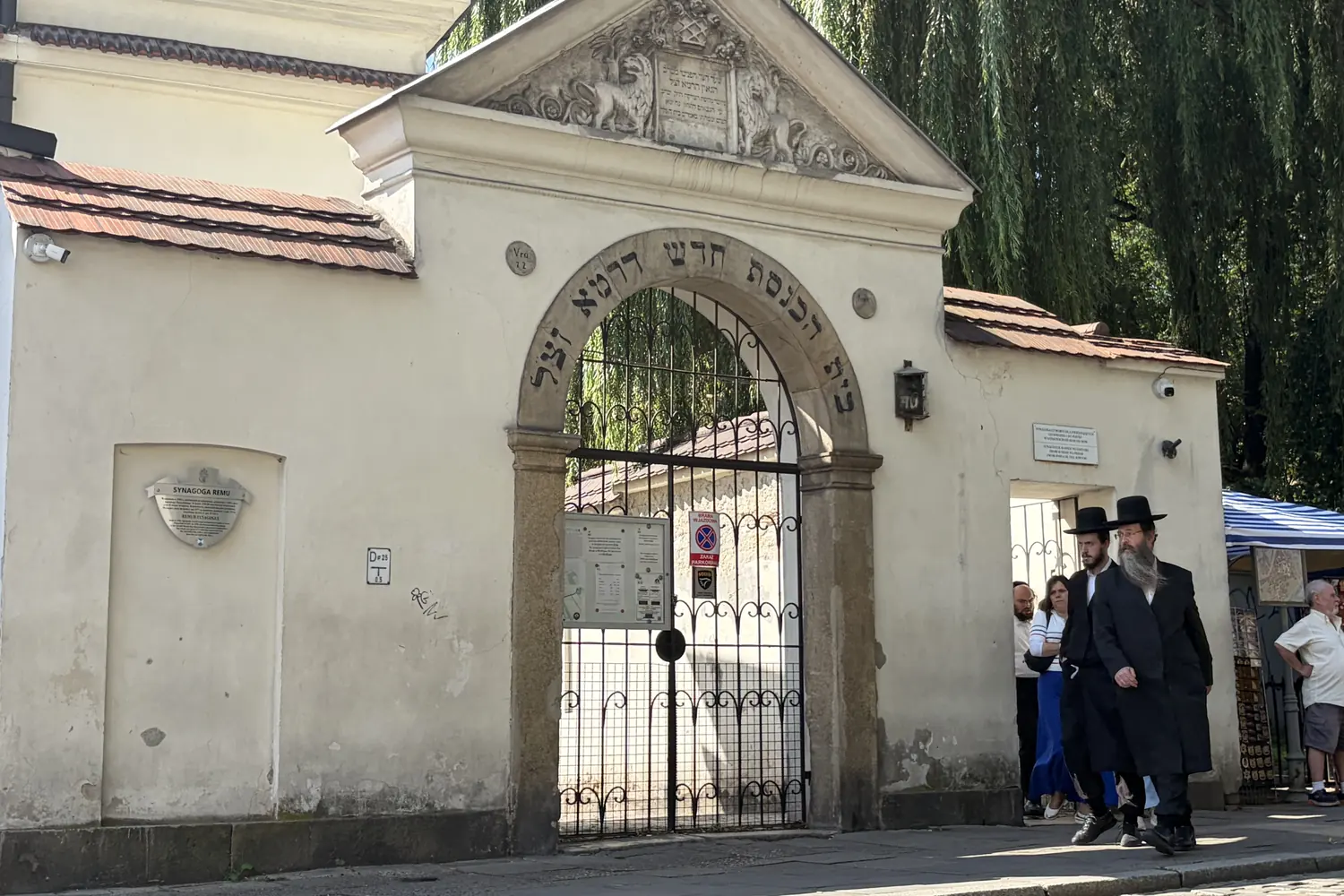
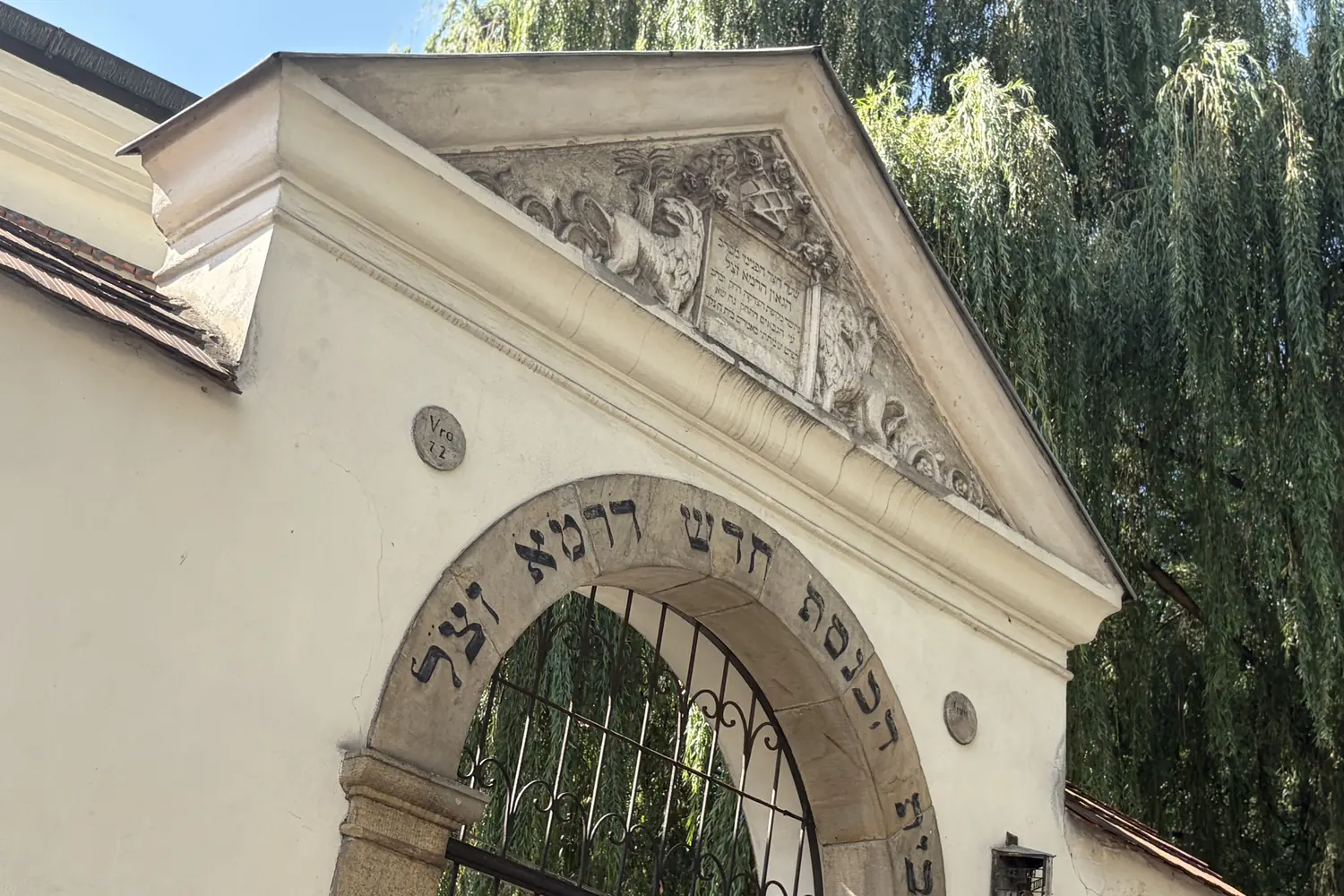
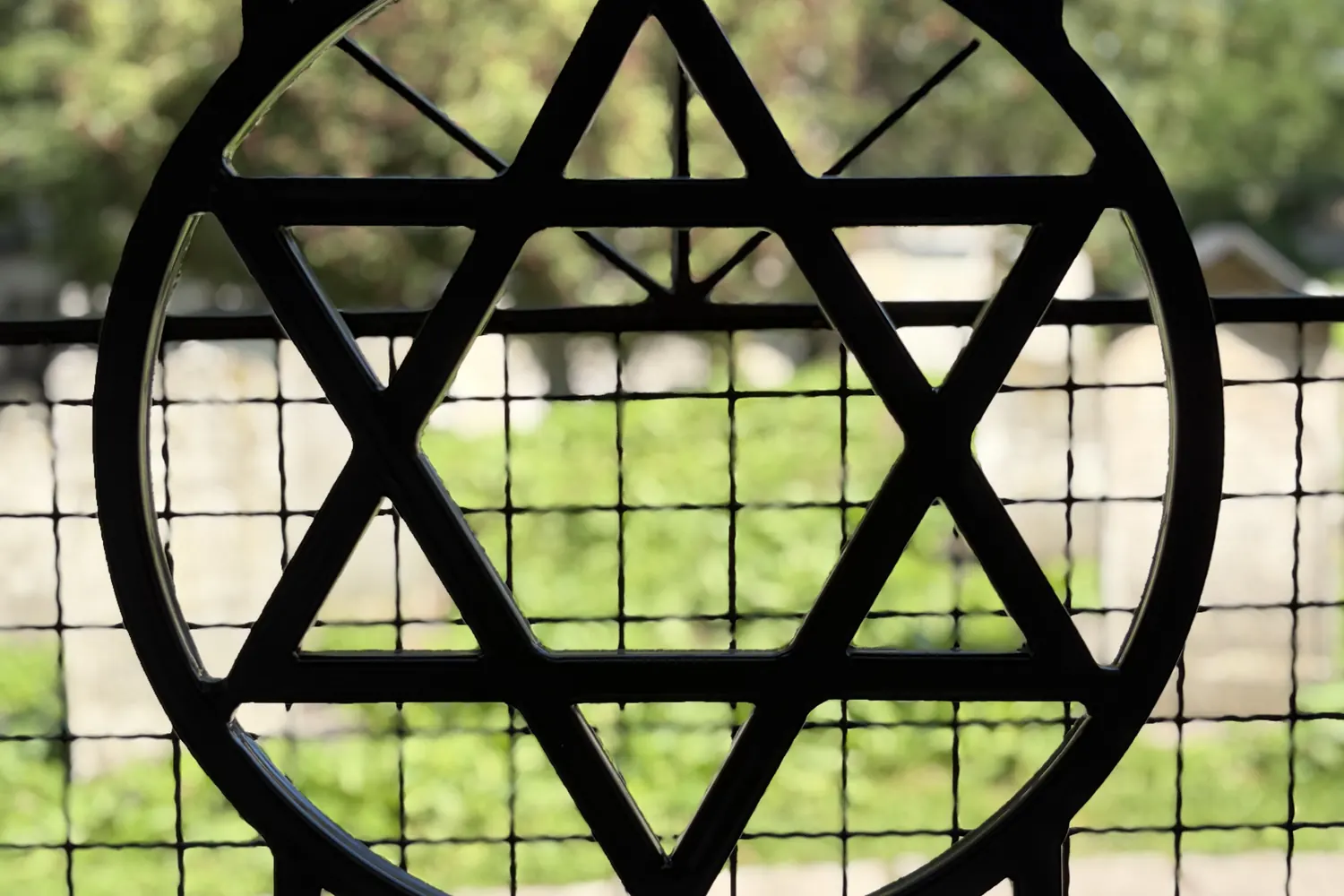
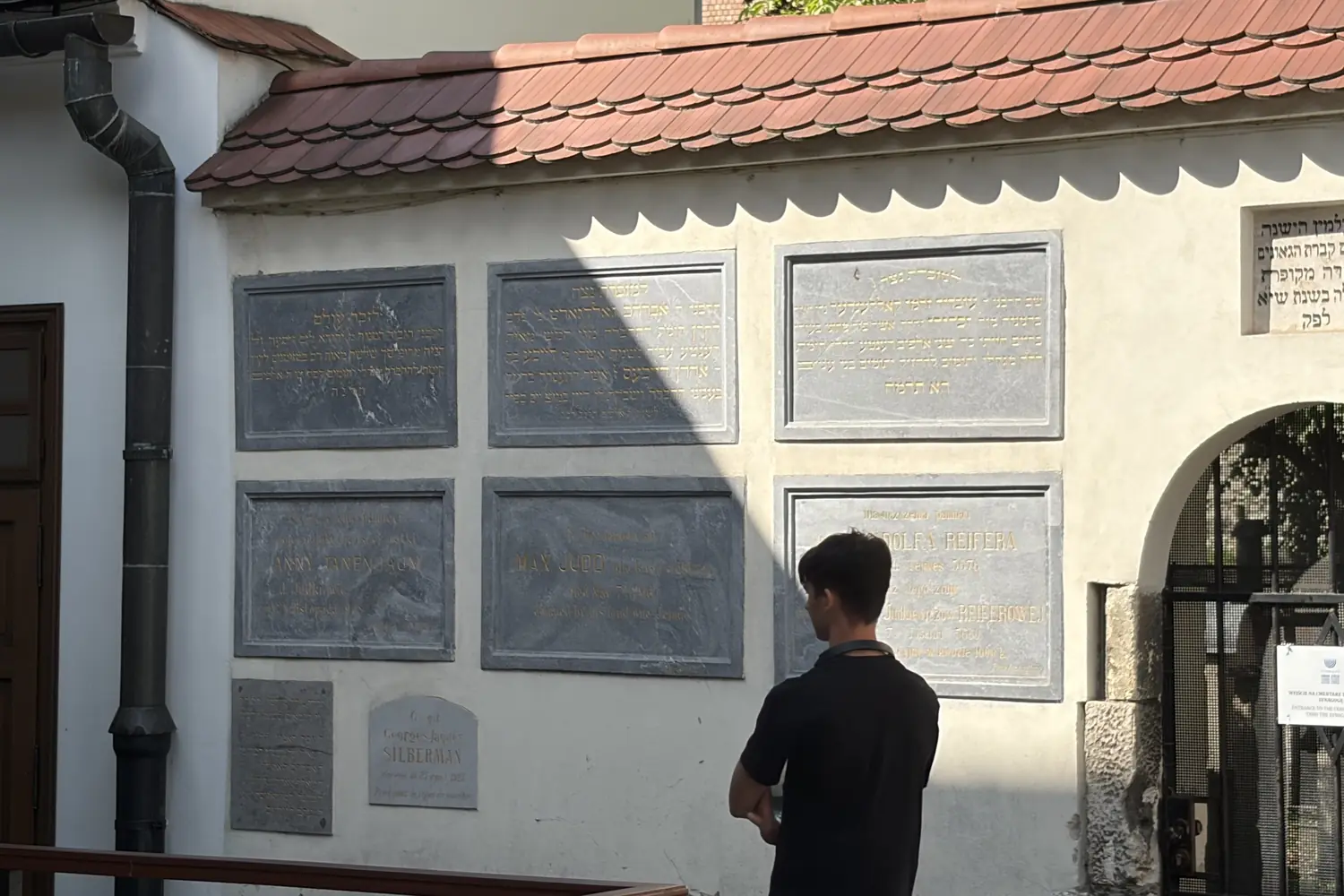
The Remuh Synagogue and Cemetery - gate, wall and a window onto the graves
The Remuh Cemetery at ul. Szeroka 40 is one of the oldest Jewish cemeteries in Europe - founded in 1533, with the oldest surviving tombstones dating from 1552. It is the resting place of Rabbi Moses Isserles, known as the Remu (d. 1572), the great codifier of Ashkenazi law and author of the Ha-Mapah, the glosses to the Shulchan Aruch. His grave has drawn pilgrims for centuries. The adjoining Remuh Synagogue (built in 1558) is one of the few active synagogues in Kraków.
The cemetery was closed to burials in 1800 and devastated during the Second World War. After the war around 700 tombstones were recovered, and the fragments that could not be reassembled were set into the boundary wall (see the previous detail). In that wall there is a small barred window with a grille in the shape of a Star of David - through it, passers-by can look into the quiet, green cemetery and the resting place of the Remu without entering. A modest but moving detail: even from the street, the cemetery reveals itself.
The founding date (1533), oldest tombstones (1552), grave of Moses Isserles (1572), closure (1800) and roughly 700 recovered tombstones are documented by Virtual Shtetl and the official City of Kraków portal. The synagogue's construction year (1558) is taken from the information plaque on the building.
The gate and wall are at ul. Szeroka 40; the Remu's grave and the cemetery interior are visited from the synagogue side. The Star-of-David window is in the street-facing wall - a good backlit frame with the green of the cemetery behind it. Cemetery entry: head covering required for men.
More details in preparation
We continue to document additional verifiable details of Kazimierz. Each entry appears only after source confirmation - no tour-guide legends.
The information on this page comes from publicly available sources: Wikipedia, museum documentation, academic publications, and on-site informational plaques. We offer it as a guide and starting point - not as a definitive scholarly reference.
If you spot an error, have more recent data, or wish to share knowledge that verifies or expands this content - we genuinely welcome your input. Your expertise is valuable to us, and we will update the page with proper attribution. The history of Kazimierz deserves the highest possible accuracy. Contact us: info@sebir.pl
- Wikipedia - High Synagogue (Kraków) · Detal 02
- Wikipedia - Kupa Synagogue · Detale 05, 06
- Wikipedia - Remuh Cemetery · Detale 03, 04
- Centre for Jewish Art, Jerusalem - Kupa Synagogue documentation · Detale 05, 06
- jewishkrakow.net · Detale 01, 04
- IAJGS - International Association of Jewish Genealogical Societies · Detal 03