Before you go - what to establish
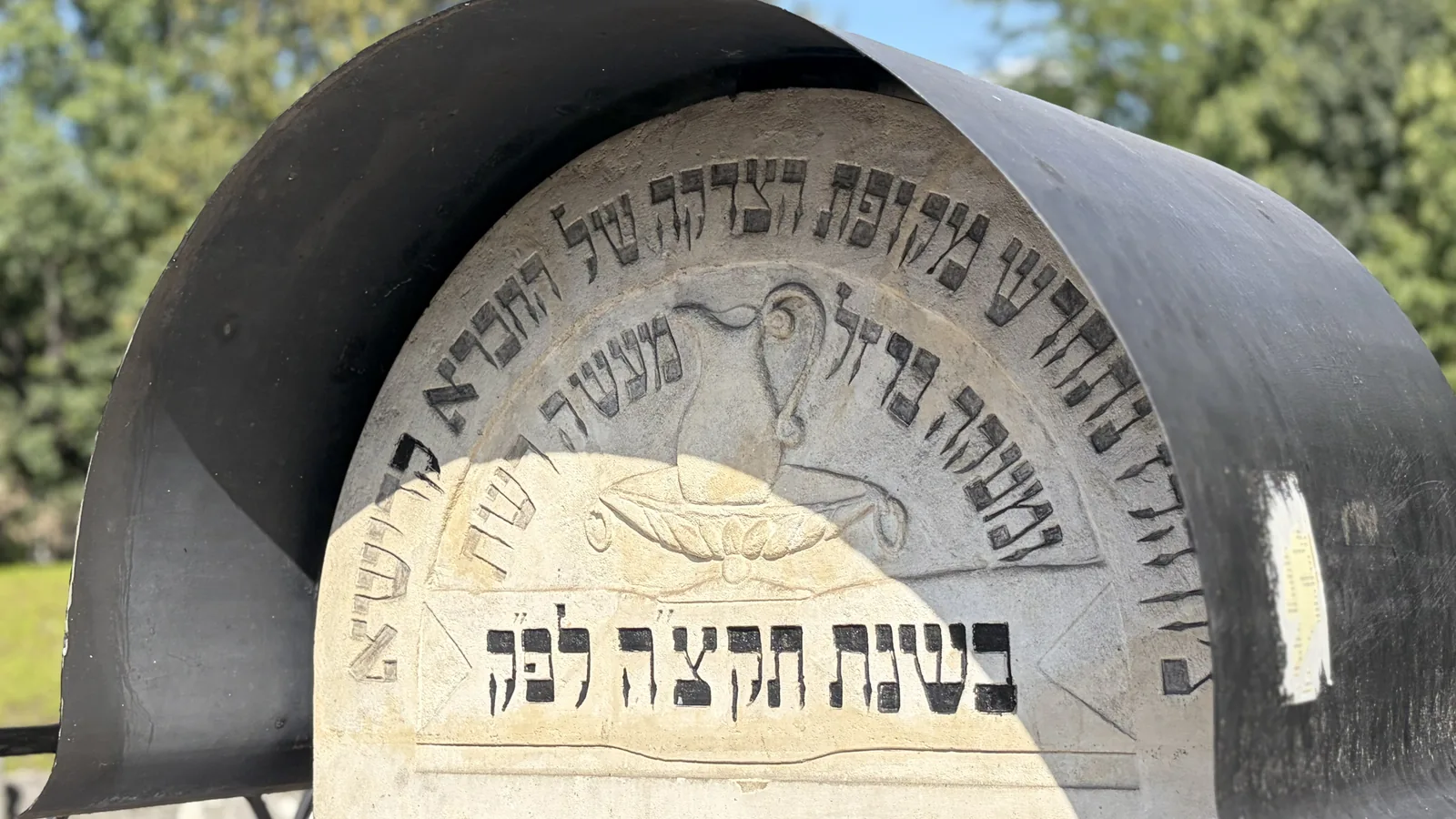
The more you know before arriving, the more you will see. Before you set off, it helps to gather a few things:
- The family surname - often in several spelling variants - and the ancestors' first names.
- The name of the town. Note: names changed with language and borders (Russian, Austrian and Prussian partitions). The same town may have a Polish, Yiddish and German or Russian version.
- Approximate dates of births, marriages and emigration.
- Family documents: certificates, letters, photos, immigration papers (e.g. from Ellis Island).
Where to look for traces - trusted sources
The search usually starts online, before the trip. These are good places to begin:
- JRI-Poland - the largest index database of Jewish vital records from the territory of Poland.
- JewishGen - surname databases, the Yizkor Book Project (town memorial books) and KehilaLinks (pages for specific communities).
- The Polish State Archives - the szukajwarchiwach.gov.pl search engine and regional branches where civil records are physically held.
- POLIN Museum - help with genealogical research and advice on where to start.
- FamilySearch - digitised records, including Polish Jewish civil records.
- Gesher Galicia - for ancestors from former Galicia (today's south-eastern Poland).
What you can see on the ground
Once the town is identified, a roots trip turns documents into real places:
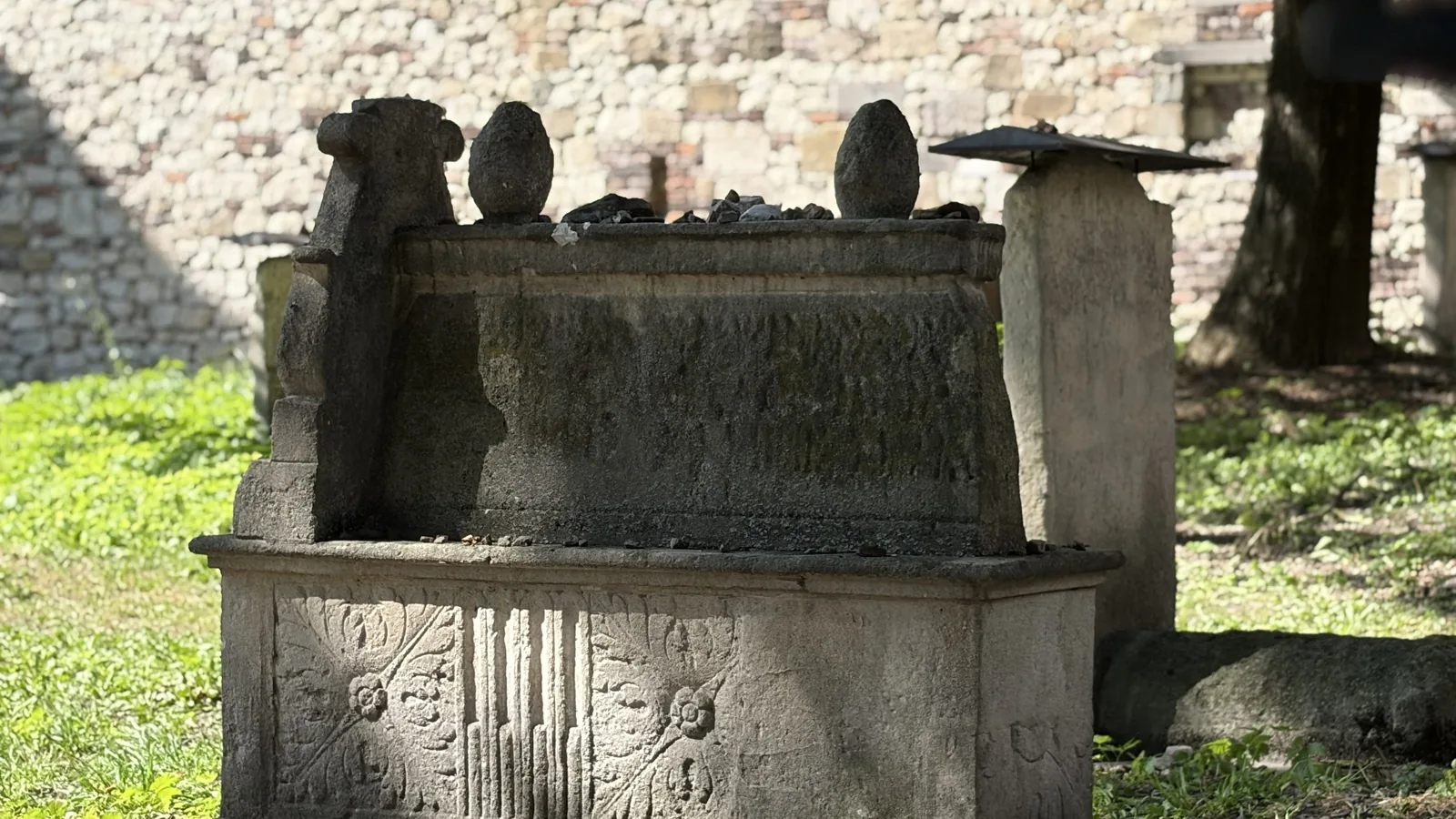
- The Jewish cemetery (kirkut) - often the most important surviving trace. Many sites are cared for by the Foundation for the Preservation of Jewish Heritage (FODZ) and local communities.
- The house, the street, the market square - an address from a document found on the ground.
- A synagogue or its site - preserved, repurposed or commemorated.
- The civil registry office or archive - access to original records, arranged in advance.
- The memorial (Yizkor) book - context: what life in the town looked like before the Holocaust.
Access to places and people - not only to documents
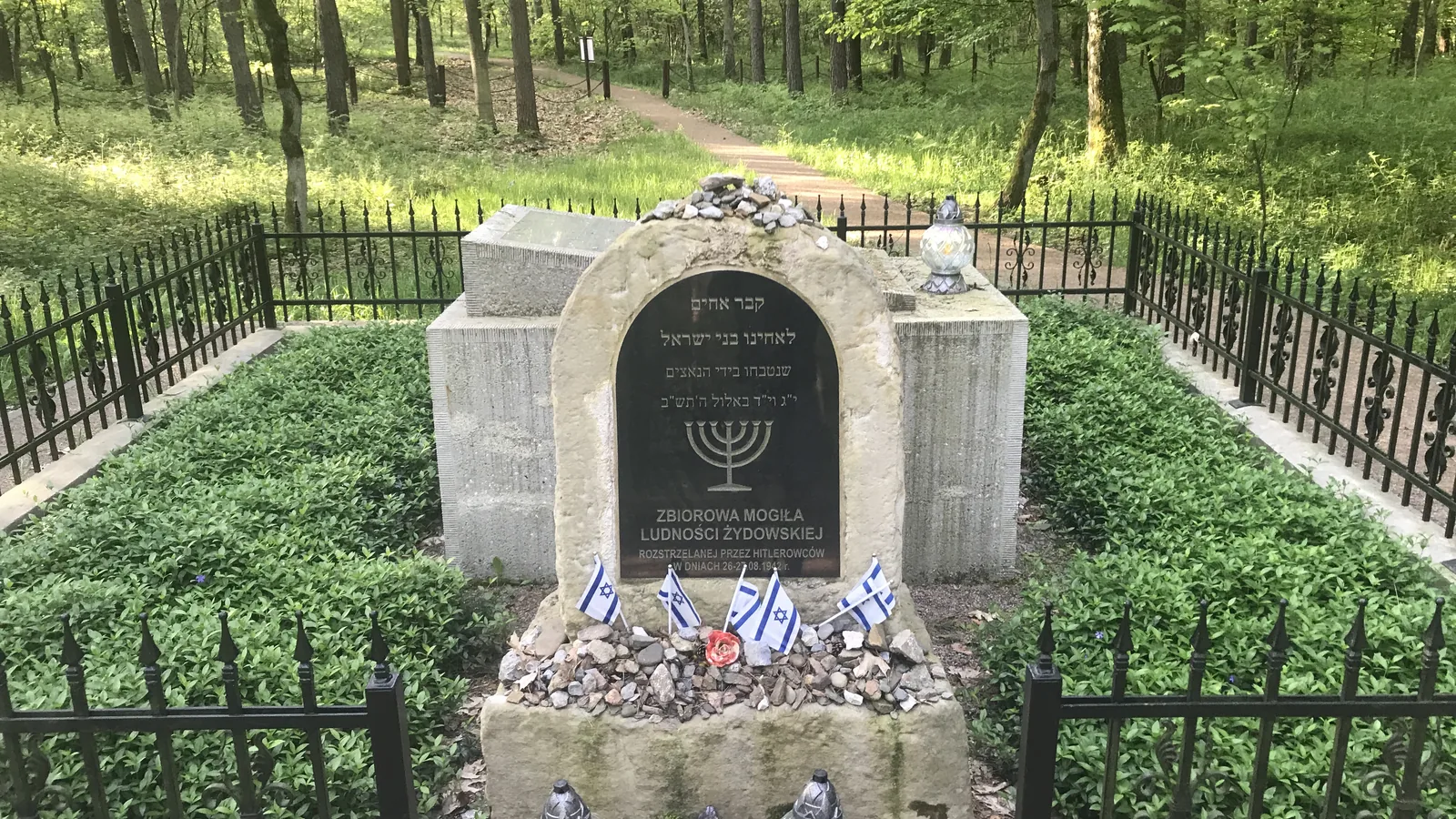
Genealogy is not only about archives. We are in contact with rabbis in Poland and with people of Jewish descent living in Poland, Estonia, Lithuania, Ukraine, Germany and other countries, who are actively involved in foundations and associations that commemorate Jewish heritage. Thanks to this, wherever possible, we help you reach not only a document but also a place - and the people who know the local history: cemetery custodians, local enthusiasts, community representatives.
We do not promise miracles - people's willingness to help varies, and some traces simply did not survive. But as far as possible, we try to open doors that are hard to open on your own from abroad.
How SEBIR helps with a roots trip
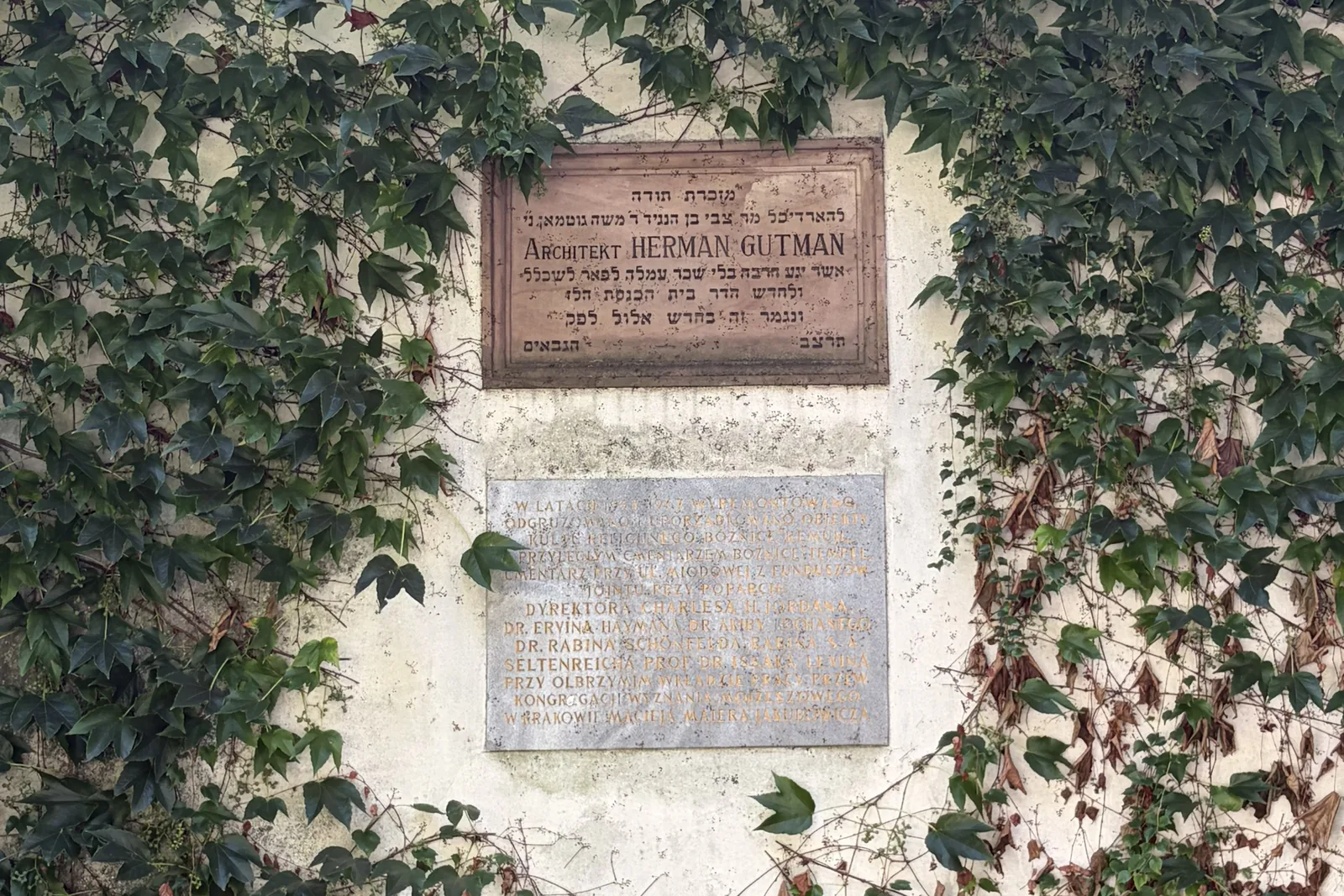
A roots trip is logistics and sensitivity at once. SEBIR takes on the organisational side, so a family or group can focus on why they came:
- transport, kosher meals along the way and lodging matched to the level of observance,
- on request, contact with local communities, foundations and cemetery custodians, and help reaching the archives,
- language support (Polish, English, Russian, and Hebrew if needed) in dealings with offices,
- a programme that combines the search for roots with a memory route and a lighter day when the group needs to breathe.
Planning a roots trip to Poland? Write to us - we will help find out what survived in your town and plan the whole journey.
Ask for an offer