Map of memorial sites
Click a marker to jump to the description. Click the address to open in Google Maps.
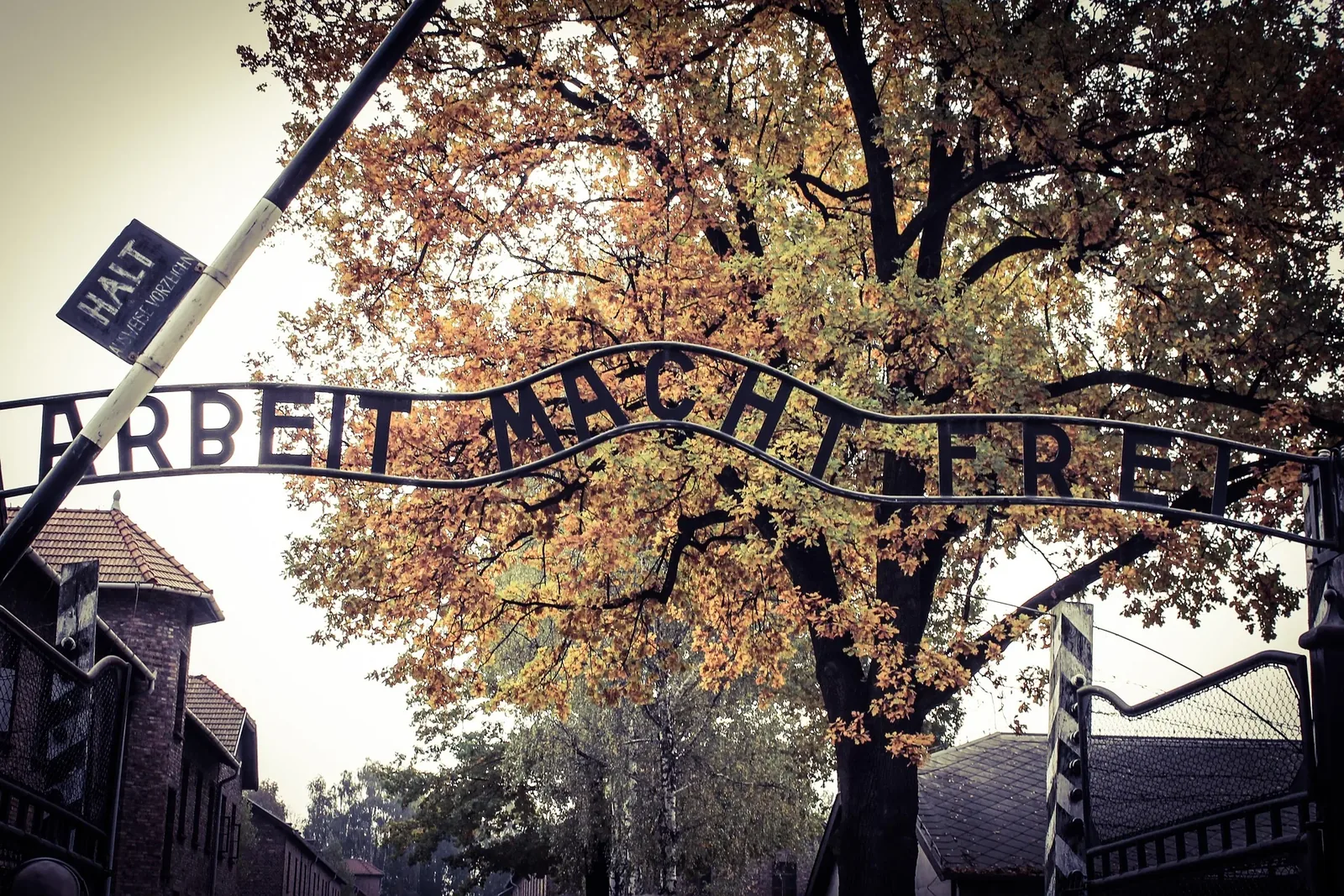
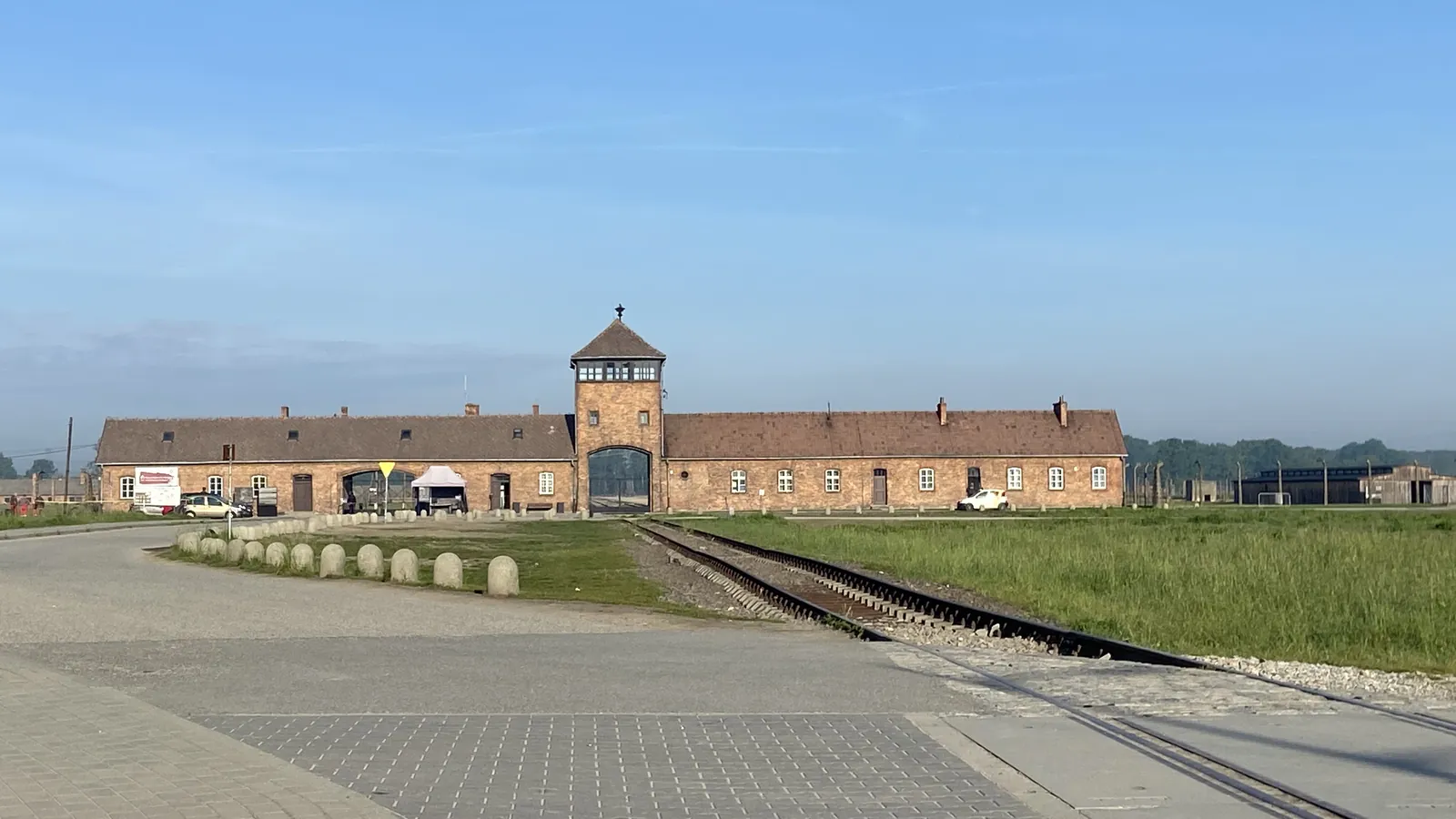
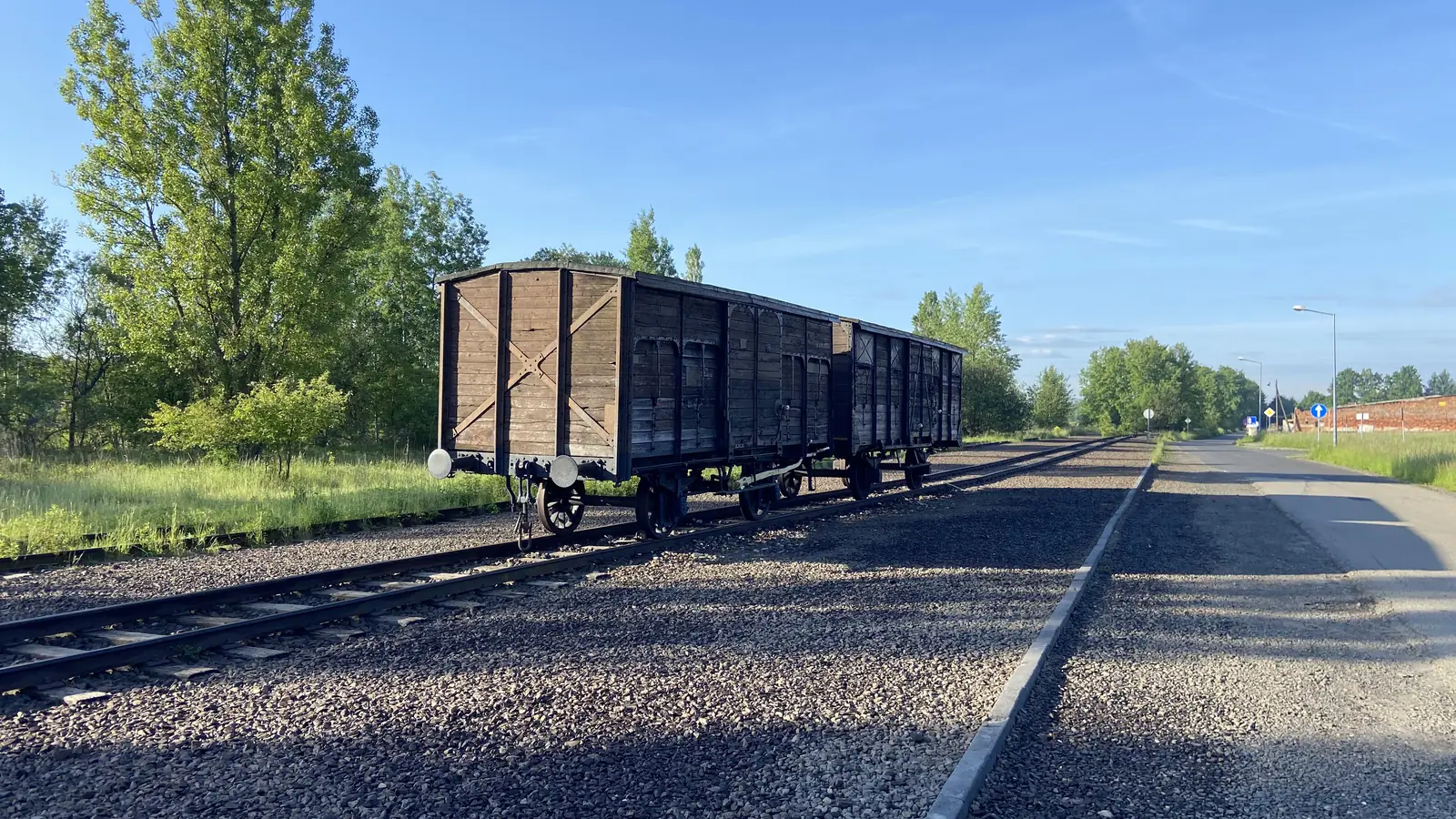
Auschwitz-Birkenau
The Auschwitz-Birkenau Memorial and Museum is the former German Nazi concentration and extermination camp - the largest built by Nazi Germany. During World War II, at least 1.1 million people were killed here, approximately 90% of whom were Jews from across Europe.
Visiting the camp is a profound experience for which groups should prepare thoughtfully. The grounds are divided into two main parts: Auschwitz I (the main camp) and Auschwitz II-Birkenau (the extermination site, 3 km away). A licensed guide is required for groups - book at least several weeks in advance.
Transport from Kraków (approx. 70 km), group ticket reservations, option of a kosher meal before or after the visit.
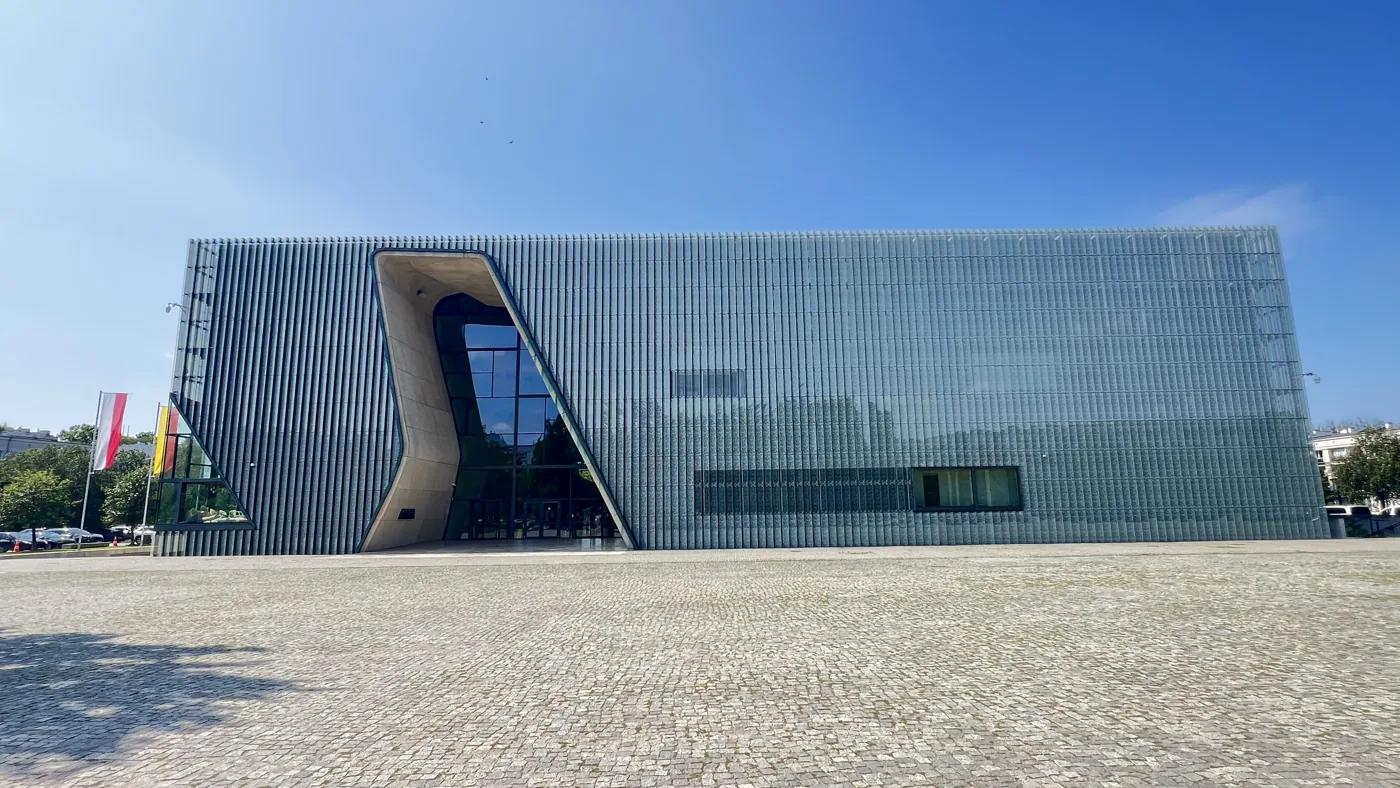
POLIN Museum - Warsaw
The POLIN Museum of the History of Polish Jews in Warsaw is one of the most modern narrative museums in the world. Across 4,000 m² of permanent galleries, it tells 1,000 years of Jewish life in Poland - from the first settlers in the 12th century to the present day.
Exhibitions are interactive and multilingual. The museum stands on the site of the former Warsaw Ghetto, opposite the Monument to the Ghetto Heroes. Ideal for school groups and adults - a full visit takes approx. 3-4 hours. Group reservations are required.
Transport to Warsaw, group tickets, option to combine with a Warsaw Ghetto visit on the same day.
Warsaw Ghetto
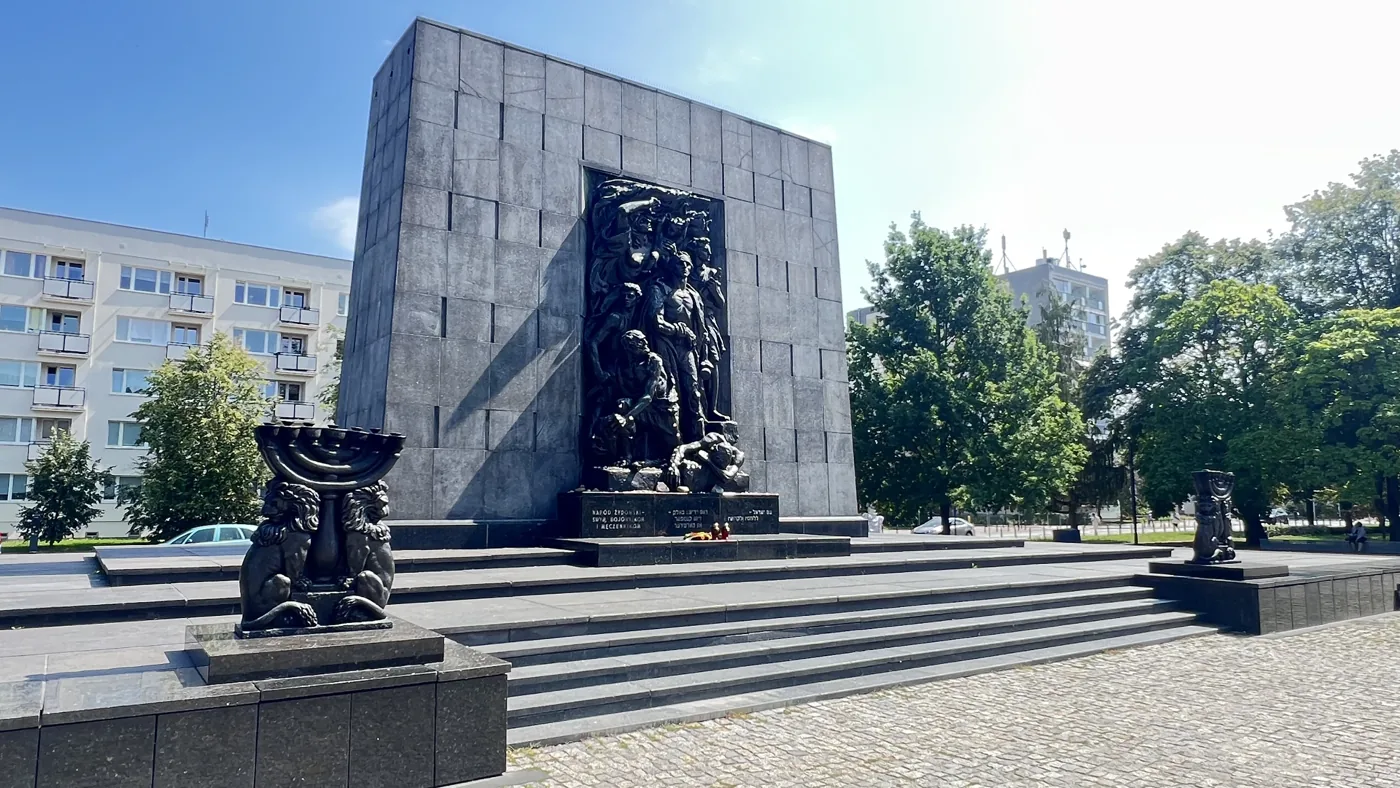
The Warsaw Ghetto was the largest Jewish ghetto in occupied Europe - at its peak it housed over 400,000 people. In 1943 the Ghetto Uprising broke out - one of the most symbolic acts of resistance in the history of World War II.
Today in the Muranów district several key sites can be visited: the Monument to the Ghetto Heroes (opposite POLIN Museum), a fragment of the original ghetto wall at ul. Sienna 55 and ul. Złota 62, the Umschlagplatz - the transfer point from which Jews were deported to Treblinka, and Bunker Miła 18 where the Jewish Combat Organisation command fought. A walk here connects naturally with a POLIN Museum visit.
A walk through the former Ghetto can be planned as a full day in Warsaw together with POLIN Museum. SEBIR provides transport and can arrange a licensed guide.
Jewish Cemeteries in Poland
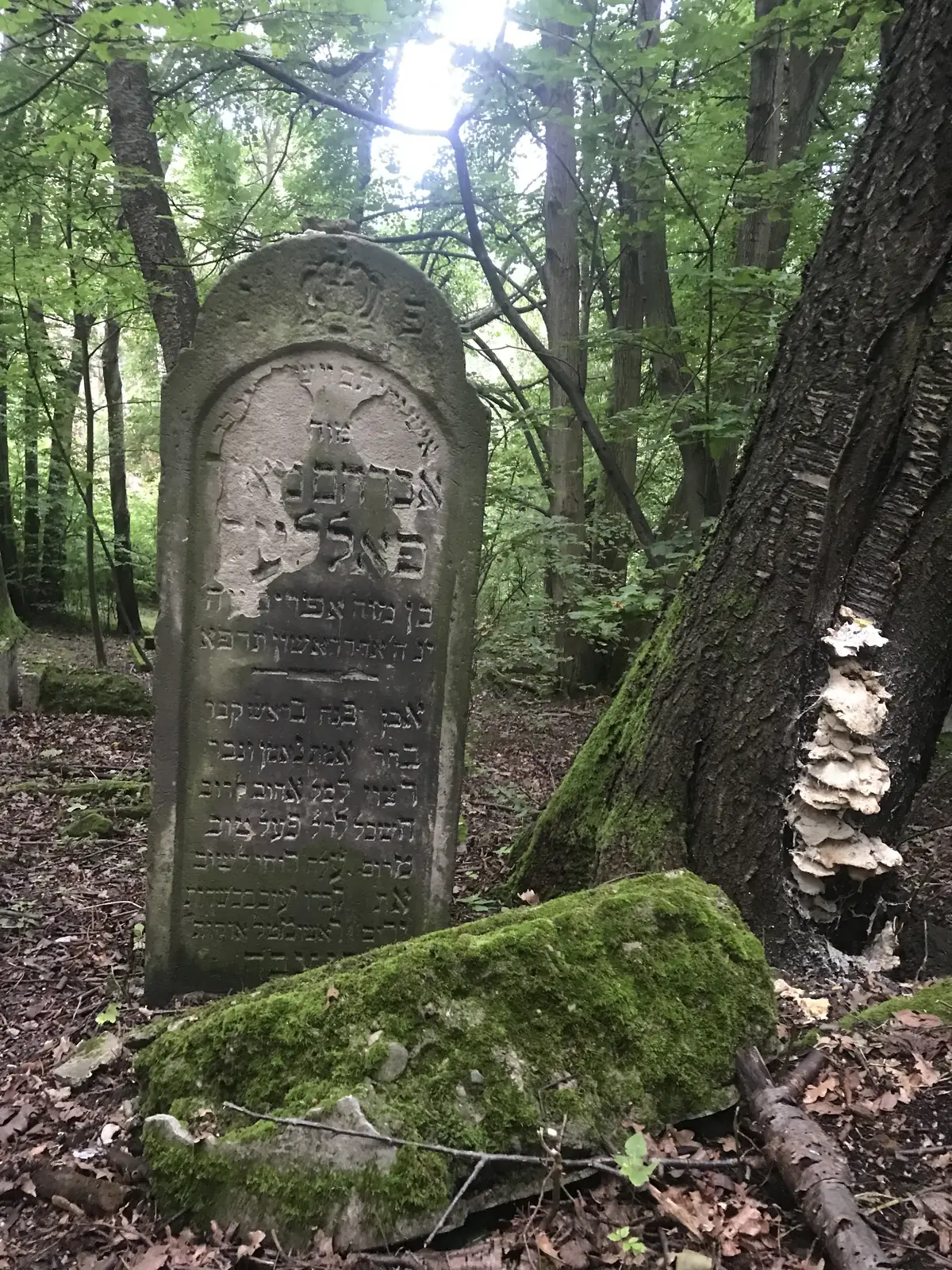
Poland has approximately 1,200 surviving Jewish cemeteries - one of the largest collections of such sites in the world. Some are beautifully preserved and open for visits; others require advance coordination and contact with a caretaker. These are places where many groups search for traces of their ancestors or research family history.
The most important and most visited: Remuh Cemetery in Kraków (ul. Szeroka 40) - the oldest active Jewish cemetery in Poland, burials from the 16th-19th centuries; New Jewish Cemetery in Kraków - over 9,000 gravestones, 19th-20th century; Jewish Cemetery on Okopowa Street in Warsaw - one of the largest in Europe, approx. 250,000 burials; Cemeteries in Łódź, Będzin, Lublin, Tarnów - each with a rich history of the local community.
We can arrange transport to cemeteries that are difficult to reach by public transport, contact the caretaker in advance, prepare the group for the visit (head coverings, etiquette) and arrange a guide familiar with Jewish genealogy.
Tzaddik's Grave - Lelów
Lelów is home to the ohel (tomb) of Tzaddik David Biderman (1746-1814), one of the leading disciples of Rebbe Elimelech of Leżajsk. Lelów was an important Hasidic centre in Poland, and Biderman was renowned for his extraordinary kindness and love for others.
The grave is a pilgrimage site for Hasidim from around the world, especially on the anniversary of the Tzaddik's death (yahrzeit). It is a quiet, contemplative space for prayer. Lelów is a small town in the Kraków-Częstochowa Upland - most conveniently reached by car or minibus.
Transport from Kraków (approx. 1 hour). Can be combined with other sites in the Kraków-Częstochowa Upland area.
Lublin - "Jerusalem of the Kingdom of Poland"
Lublin was for centuries one of the most important centres of Jewish learning and culture in the world - hence its historical title "Jerusalem of the Kingdom of Poland." The famous Council of Four Lands met here, and its yeshivas trained rabbis for all of Europe.
Key sites: Yeshivat Chachmei Lublin - the rebuilt famous Talmudic academy (1930), now operating again; the old Jewish quarter in Podzamcze; the Jewish cemetery on Kalinowszczyzna; Majdanek - a former concentration and extermination camp a few km from the centre.
Transport from Kraków or Warsaw, possible overnight stay and kosher catering in Lublin for the duration of the visit.
Tarnów - the history of Jewish Galicia
Tarnów is one of the best-preserved towns with a rich Jewish history in Lesser Poland. Before World War II, Jews made up approximately 45% of the town's population - nearly 25,000 people. Tarnów was also the first town in occupied Poland to receive political prisoners - on 14 June 1940, the first transport arrived at KL Auschwitz, a date considered the symbolic beginning of the Holocaust in Poland.
Sites to visit: the Old Synagogue (bimah on the market square - the only surviving element), the New Jewish Cemetery with beautifully decorated matzevot, townhouses of the former Jewish quarter, the District Museum with its Judaica collection.
Transport from Kraków (approx. 1.5h). Tarnów can be combined with other Lesser Poland sites in a single day trip.
Other important memorial sites
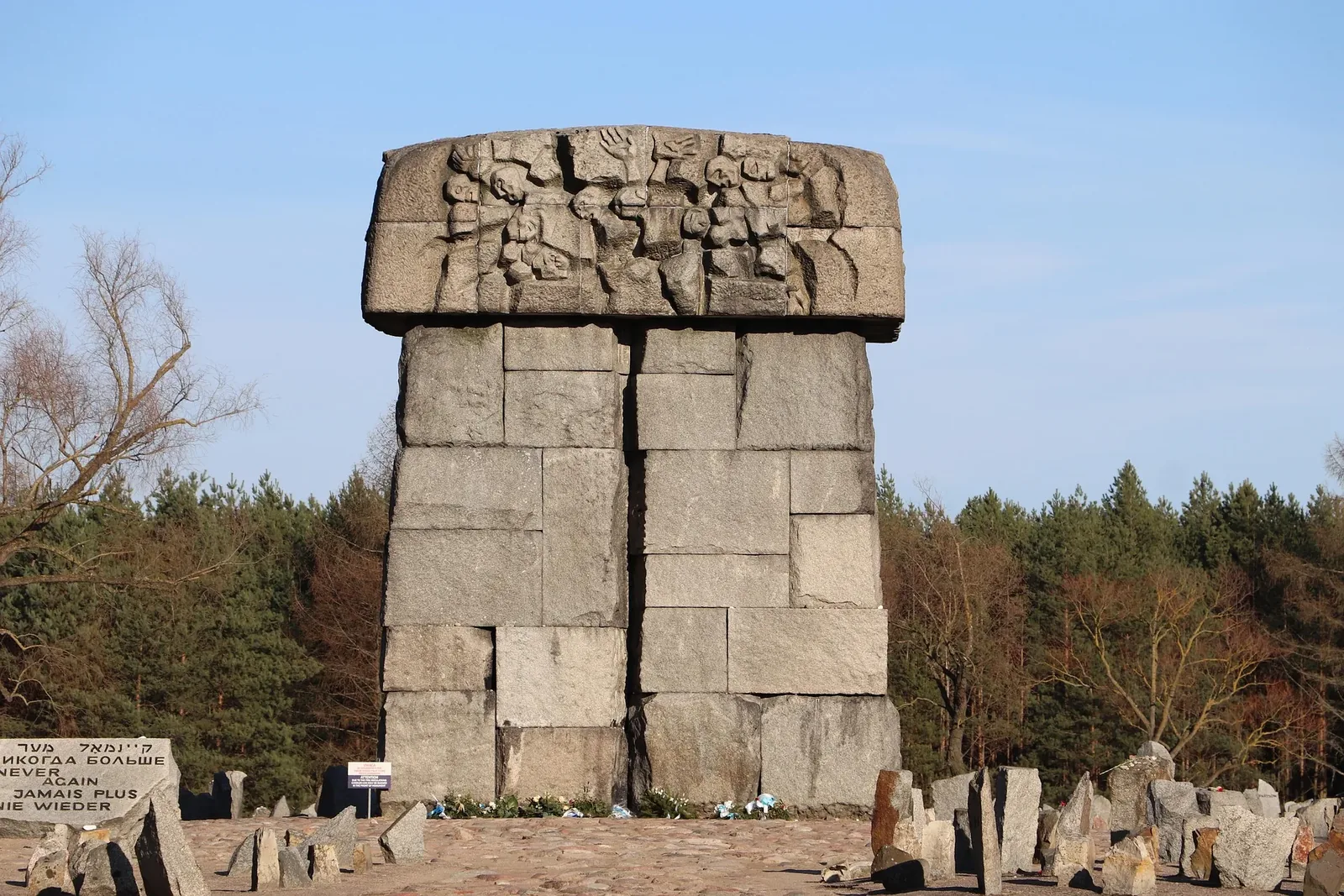
Poland holds dozens of other significant Jewish memorial sites. Treblinka - extermination camp in Mazovia where approx. 900,000 Jews perished, mainly from the Warsaw Ghetto; Sobibór - camp in the Lublin region, site of the only successful prisoner uprising at a Nazi death camp (1943); Łódź - second largest ghetto in Poland (approx. 200,000 people), extensively documented at the Centre of Jewish Culture; Będzin - Jewish centre in the Dąbrowa Basin with a restored synagogue; Podgórze district in Kraków - site of the Kraków Ghetto, preserved walls, the Eagle Pharmacy and Schindler's Factory.
If you have a specific place you want to visit - write to us. We can plan the route, organise transport and book kosher catering at every stage of the journey.